8 Factors That Decide a Jewelry Manufacturer
Find a jewelry manufacturer you can still work with in year three
Finding the right jewelry manufacturer matters more than finding a cheap one. Whether you are a single designer or a brand scaling a line, the manufacturer you pick sets the quality, the lead time and the ceiling on what your business can become. Choosing well takes longer than choosing quickly, and it is worth the time: the wrong partner costs you two seasons and a re-tooled product. This article walks through the eight things worth deciding before you sign anything.
1. Understand your own manufacturing needs first
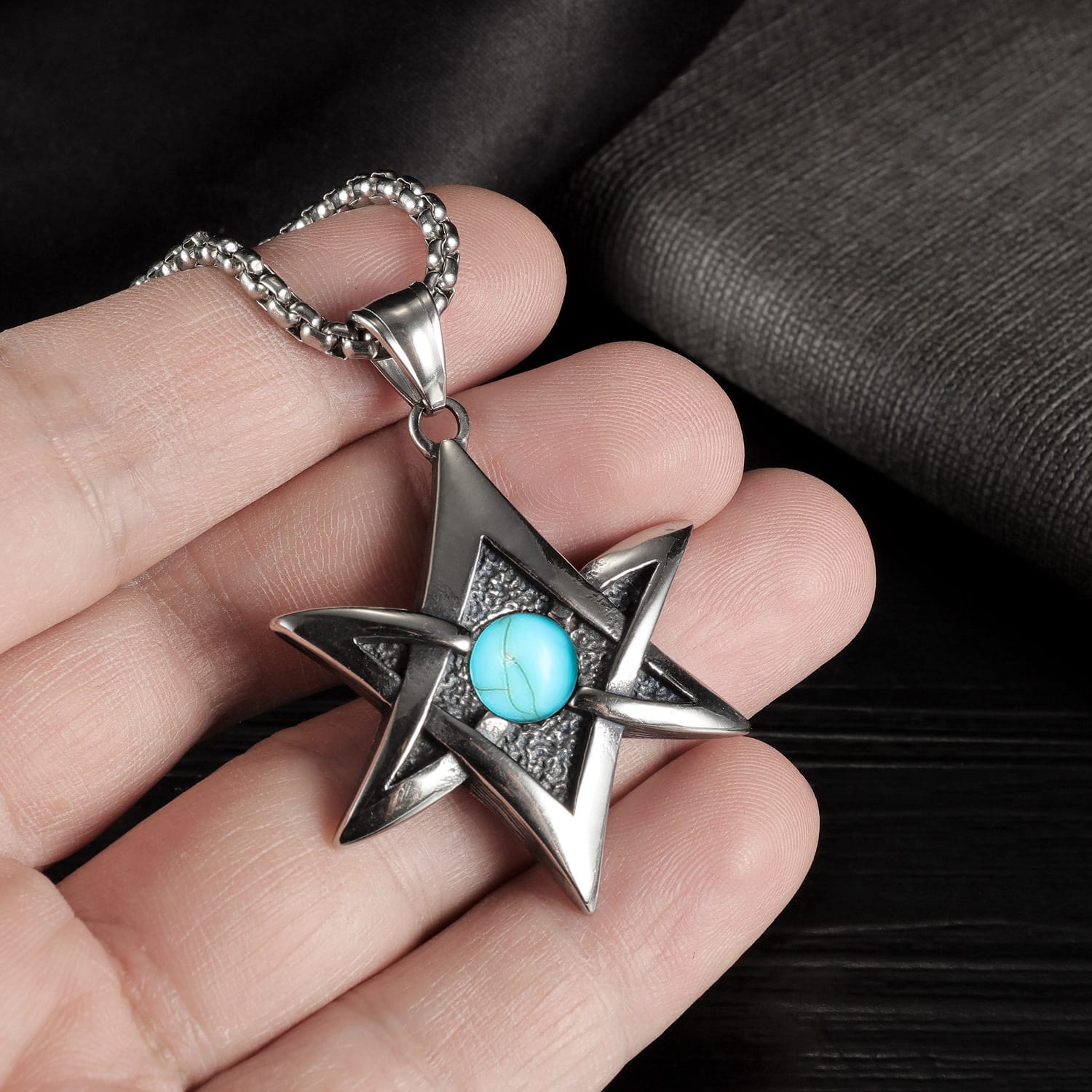
Most bad supplier decisions start with a buyer who could not state their own requirements. Write them down before you send a single RFQ: your design and product requirements, the volume you actually need, and your material position.
Define your design and product requirements
Take the time to define what you are making — the style, the aesthetic, the product types. Whether your direction is minimal or bold, a clear brief is what separates manufacturers that fit from those you would have to drag into place. See how to brief a jewelry manufacturer for the checklist we recommend sending.
Decide your production quantity
Work out whether you need a small boutique batch or wholesale volumes. Knowing your real quantities is what lets a manufacturer tell you honestly whether they can serve you — and what stops you from being quoted a bulk price for a pilot run.
Identify your material and gemstone preferences
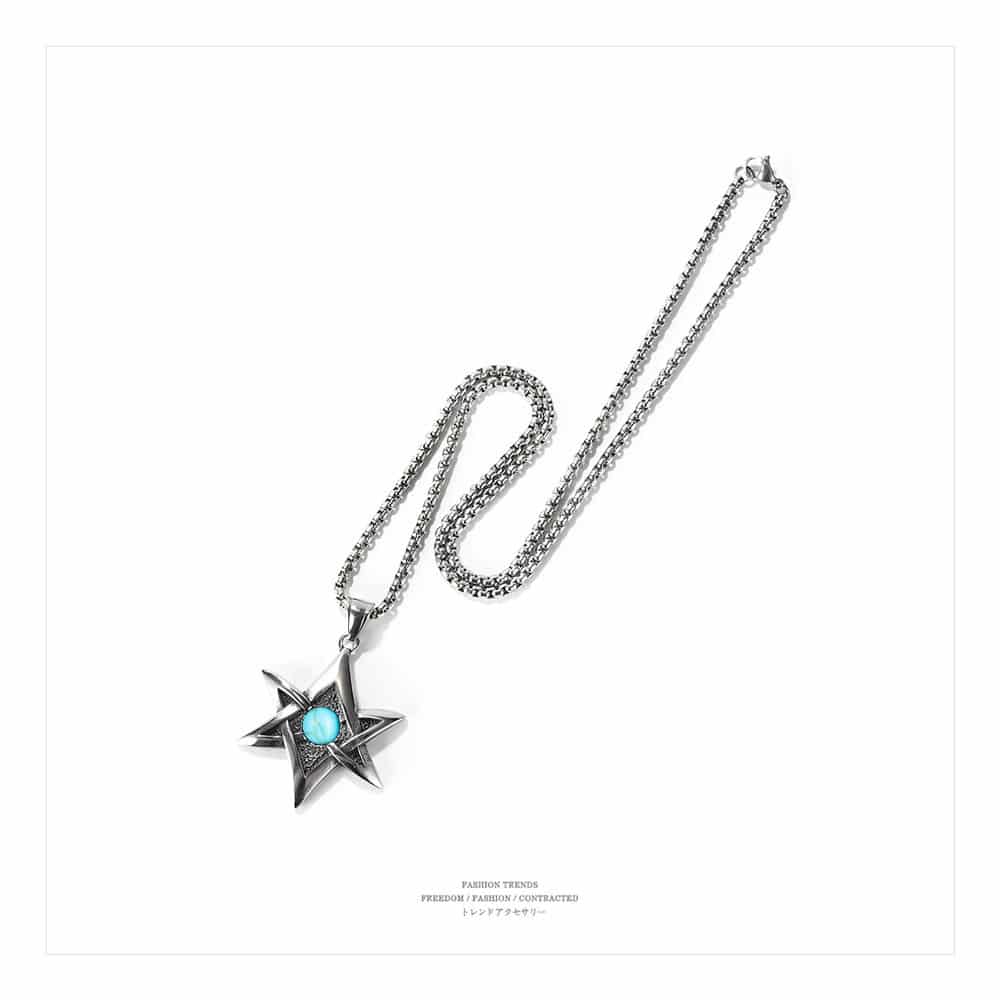
The choice of materials and gemstones used in your jewelry plays a important role in your jewellery overall appeal and quality. If you have specific preferences for materials such as gold, silver, or platinum, as well as gemstones like diamonds, pearls, or colored gemstones,you have better identify these preferences ,because it will help you find a manufacturer who specializes in working with your preferred materials.
 Jewelry
2. Research potential manufacturers
When it comes to finding the perfect jewelry manufacturer, conducting thorough research is key. This involves utilizing online directories and marketplaces, seeking recommendations and referrals, and conducting background checks and due diligence.
Use online directories and marketplaces
Online directories and marketplaces dedicated to connecting manufacturers with designers are invaluable resources. Platforms like Alibaba, Etsy, and ThomasNet can provide a vast pool of manufacturers to explore. Take advantage of their search filters to narrow down your options based on location, specialization, and customer reviews.
Ask people who already did it
Word-of-mouth recommendations are often a great source of trustworthy leads. Reach out to fellow designers, industry professionals, or jewelry trade associations for recommendations and referrals. Hearing about others' positive experiences can give you peace of mind and save you from potential pitfalls.
Background-check before you commit
Before finalizing your decision, conduct thorough background checks and due diligence on potential manufacturers. Look for reviews, testimonials, and any red flags. Consider factors such as their experience, reputation, production capacity, and customer service. A reputable manufacturer will have a track record of delivering high-quality products and providing excellent client support.
3. Evaluate quality and craftsmanship
Ensuring the quality and craftsmanship of your jewelry is vital to its success and customer satisfaction. When evaluating potential manufacturers, review their portfolio and past work, assess their manufacturing techniques, and request samples for quality inspection.
Review the portfolio and past work
Take time to review the portfolio and past work. Look at consistency between pieces, attention to detail, and whether the aesthetic is close to yours. That tells you what they can do and whether they can reach the standard you want.
Assess their manufacturing techniques
Find out what processes they actually run. Traditional hand finishing, CAD, casting, CNC or plating each suit different products, and the answer tells you whether their equipment matches the quality and precision you expect.
Ask for samples before you decide
Samples are how you find out, rather than how you hope. They tell you what the material actually feels like, how the finished piece holds up, and how close the detail is to your brief. Ask for the specific modifications you want in the same message.
4. Check ethical and environmental practice
In today's conscientious world, ethical and sustainable practices are essential considerations in the jewelry manufacturing process. When selecting a manufacturer, inquire about their responsible sourcing of materials, verify compliance with fair trade standards, and assess their environmental impact and sustainability efforts.
Ask about responsible sourcing
Responsible sourcing of materials ensures that your jewelry is created using ethically and environmentally conscious practices. Ask manufacturers about their suppliers and whether they adhere to ethical standards, such as avoiding conflict minerals or using recycled materials. This commitment to responsible sourcing reflects positively on your brand and resonates with socially conscious consumers.
Verify fair trade and compliance
Fair trade standards promote fair wages, safe working conditions, and the empowerment of artisans and workers in the jewelry industry. Verify whether the manufacturer complies with fair trade standards and certifications, such as the Fairtrade Gold certification. Supporting fair trade practices contributes to a more equitable and sustainable jewelry industry.
Assess environmental impact
As environmental concerns grow, it's essential to consider your manufacturing processes with sustainability. Inquire about the manufacturer's environmental impact and their efforts to minimize waste, reduce energy consumption, or implement eco-friendly practices. Choosing a manufacturer committed to sustainability helps mitigate the negative environmental footprint associated with jewelry production.
Finding the right manufacturer comes down to four things: a clear statement of your own needs, thorough research, honest attention to quality, and a real commitment to ethical and environmental practice. Done well, you end up with a product you can stand behind.
 Jewelry
5. Negotiate pricing and terms
Understand what drives the price
When it comes to finding a jewelry manufacturer, it's important to understand the cost factors and pricing structures involved. Factors such as materials used, complexity of design, and production volume can all influence the final price. Take the time to discuss these factors with potential manufacturers to ensure you have a clear understanding of how they determine pricing.
Settle payment terms and timelines
No one likes surprises when it comes to payments, so make sure to have open discussions about payment terms and production timelines with your chosen manufacturer. This includes discussing the deposit amount, payment schedule, and any penalties for late payments. Additionally, ensure that you have a clear understanding of the expected production timeline to avoid any unexpected delays.
Ask about MOQ and bulk pricing
If you're planning on placing large orders, it's worth exploring bulk order discounts that manufacturers may offer. Most manufacturers work to a minimum order quantity, so ask what theirs is and why. If you are testing the market rather than committing, ask whether there is any flexibility — there often is a route for a first order, if you ask early.
6. Secure samples and prototypes
Request samples for design approval
Request preliminary samples before committing to a bulk run. They show you how your layout becomes a physical object and whether it meets your expectations. Give comments and ask for revisions — and it is worth insisting that the final approved sample matches the layout precisely, because that is the reference the production runs against.
Iterate on the prototype
Once the first samples arrive, the next step is iteration. Adjust the layout, the materials or the finishing until the piece is right. Communication is the whole job at this stage — a round of feedback that is not clearly written tends to come back wrong. Expect more than one round before the result is final, and plan for it.
Test the sample properly
Before production starts, examine the sample properly: durability, craftsmanship, and anything that looks off. If something is not right, get a second opinion rather than accepting it — your reputation rests on what arrives at your customer, not on how the sample photographed.
7. Build a long-term relationship
Communicate openly and early
Building a successful and long-term relationship with your jewelry manufacturer starts with open and clear communication. Be transparent about your expectations, deadlines, and any changes that may arise during the production process. Likewise, encourage the manufacturer to share any concerns or suggestions they may have. A strong and open line of communication will help ensure a smooth and collaborative partnership.
Give feedback that changes the product
Feedback is part of making the product. Be specific about what you liked and what needs to change, and keep it constructive rather than a complaint. Clear, positive guidance is how the manufacturer learns your taste, and the result shows up in the next run.
Collaborate on new collections
Once the working relationship is solid, bring them into new designs and collections. A manufacturer who knows your taste can save you a sampling round and flag a material problem before it costs you. Use that — brainstorm together, and they will usually spot what will not survive production.
8. Finalise the agreement and the production process
Draft and review the agreement
 Jewelry
Before finalizing your partnership, it's crucial to draft and review a manufacturing agreement. This agreement should outline all the terms, responsibilities, pricing, and any exclusivity arrangements. Ensure that both parties fully understand and agree upon the terms before signing, as this will serve as the foundation of your ongoing collaboration.
Establish quality control measures
To ensure consistent quality in your jewelry production, it's important to establish quality control measures with your manufacturer. This may include regular inspections, sample testing, and establishing quality checkpoints throughout the production process. By prioritizing quality control, you'll maintain the high standards your customers expect from your brand and minimize any potential issues with the final products.
Negotiating pricing and terms, securing samples, building the relationship and finalising the agreement are the four things that decide whether this works. Finding the right jewelry manufacturer takes careful research, honest assessment of quality, a real look at ethical practice, and firm terms rather than optimism. Follow the steps above and you will end up with a partner who understands your design vision and can grow with the business.
FAQ
How do I determine the production quantities I need?
Determining production quantities depends on various factors such as demand, market research, and your business goals. Analyze past sales data, consider future growth projections, and collaborate with the manufacturer to assess their capacity and capabilities. This will help you determine the appropriate production quantities that align with your business needs.
How can I check that a manufacturer follows ethical practice?
To ensure ethical practices, ask the manufacturer about their sourcing policies, certifications, and standards they adhere to. Inquire about responsible sourcing of materials, fair trade practices, and environmental sustainability efforts. Additionally, conduct research, check for relevant certifications, and seek recommendations from trusted industry sources to verify their ethical commitments.
What should I look for in a manufacturer's portfolio?
When reviewing a manufacturer's portfolio, pay attention to the diversity and complexity of their past work. Look for designs that resonate with your brand aesthetic and quality that meets your standards. Evaluate the craftsmanship, attention to detail, and the ability to work with different materials and gemstones. Requesting samples for quality inspection can also help you assess their skills and expertise firsthand.
How do I build a relationship that lasts?
Building a long-term relationship with a jewelry manufacturer requires effective communication, mutual trust, and collaboration. Maintain open and transparent communication channels, provide constructive feedback, and establish clear expectations from the beginning. As your partnership progresses, consider exploring new designs and collections together, leveraging their expertise to create unique jewelry pieces that align with your brand's vision.
Frequently asked questions
What should I prepare before I start calling manufacturers? When it comes to finding the perfect jewelry manufacturer, conducting thorough research is key. Online directories and marketplaces give you a starting pool, recommendations from people already in the trade narrow it down, and background checks are what stop you shortlisting an unsuitable factory. Why does the material choice matter so much? The choice of materials and gemstones used in your jewelry plays a important role in your jewellery overall appeal and quality. If you have specific preferences for materials such as gold, silver, or platinum, as well as pearls or coloured gemstones, state them up front. A manufacturer who works with those materials regularly will quote faster and sample faster. How do I handle a supplier who will not send samples? The choice of materials and gemstones used in your jewelry plays a important role in your jewellery overall appeal and quality. If you have specific preferences for materials such as gold, silver, or platinum, as well as pearls or coloured gemstones, state them up front. A manufacturer who works with those materials regularly will quote faster and sample faster.
← Jewelry Display Boxes' Features and Application
The Ultimate Guide to Organizing Earrings in Your Travel Jewelry Box →
Part of the OEM/ODM services page: The capabilities and limits behind an OEM quote.
What this means for your order
If you are still deciding, one thing decides this for you: what you are actually comparing: a factory that makes your product against a trading company that resells one. Everything else on a quote page is presentation.
Where this falls short a shortlist assembled from search results alone, which tends to rank suppliers by how well they write rather than by what they can run.
What to send us Tell us the three things that matter most to you and we will say which of our capabilities they depend on.
Browse our 316L stainless steel jewelry or request a quote →
Get a quote
Send the drawing, target material and volume. We reply within one business day with the MOQ, the sampling and bulk lead times for your piece, and the step each one belongs to.