Custom Jewelry Boxes with Logo: Materials & Pricing
Customjewelry boxes with logo are one of the cheapest upgrades available to a jewelry line. The box is what the customer handles before the piece itself, and every time that box gets opened, on camera or on a dresser, the mark on it is advertising you already paid for. The catch is that logo customization comes with real decisions: which technique, where to place the mark, whether it suits the material, and what it ought to cost. First-time buyers routinely overpay or end up with a blurry logo because nobody explained the trade-offs before the order went in.
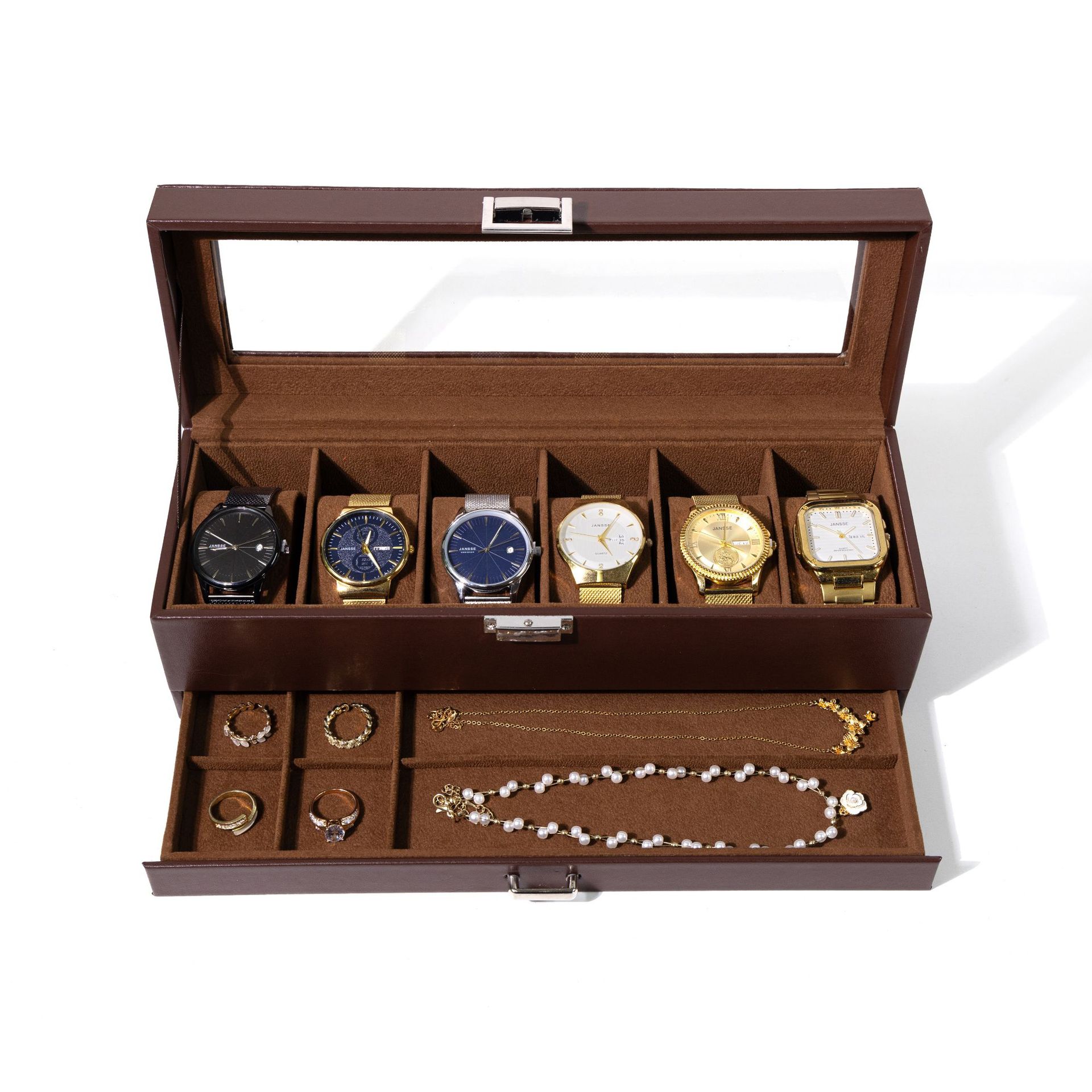
Why Branded Boxes Matter
The short version: put a logo on the box and the same piece sells for more. Buyers who unbox something branded are more likely to film it and post it, which is publicity nobody had to buy. Returns drop too, because a boxed product with a real mark on it reads as a real brand rather than a resale. Wholesale buyers who add logo customization consistently report higher retail prices and stronger repeat purchases.
Logo Techniques Compared
Six techniques cover nearly everything a factory will offer you:
| Technique | Best For | Look & Feel | Relative Cost |
|---|---|---|---|
| Debossing | PU leather, genuine leather, paper | Elegant, recessed, tactile | Low (one plate) |
| Hot stamping (foil) | Leather, PU, paper, velvet | Gold/silver metallic, premium | Medium |
| Screen printing | Paper, fabric, smooth surfaces | Colorful, flat | Low |
| UV printing | Wood, acrylic, paper | Full color, photo-like | Medium |
| Embroidery | Fabric, velvet exteriors | Soft, textured, premium | High |
| Metal logo plate | Luxury boxes | 3D metal badge, highest-end | Highest |
Choosing the Right Technique for Your Material
Leather and PU Leather Boxes
Debossing and hot stamping are the classics on leather and PU. Debossing presses a clean, recessed mark into the surface and ages well. Hot stamping presses in a metallic foil that catches the light, which is where most of the premium feel comes from. Both need a custom brass or steel plate, and that one-off plate is what keeps them economical even at modest volumes.
Paper and Rigid Boxes
Screen printing and UV printing put color on paper at low setup cost. For gradient logos or photographic marks, UV printing is the better match. Paper boxes are also the most cost-effective route when the plan is high-volume, disposable retail packaging.
Wooden Boxes
Laser engraving and UV printing are the standard pair on wood. Engraving suits minimalist, natural looks; UV printing handles colorful brand marks on the wood surface. The material choice itself deserves attention if you are going wooden: our guide to the best material for a jewelry box compares wood, leather and paper options.
Pricing Factors: What Determines the Cost
Five variables drive what the factory quotes:
- Plate/tooling cost: a one-time fee per logo design, higher for deboss or hot stamp plates and most for metal badges
- Technique complexity: single-color deboss is cheapest; multi-color UV and embroidery cost more
- Logo size and placement: a large logo on the lid top costs more than a small corner mark
- Material compatibility: velvet and textured surfaces limit which techniques can be used
- Volume: plate amortization drops as quantity rises
As a rule, expect logo branding to add a small per-unit cost at wholesale volumes, before the one-time plate fee. When comparing factories, ask for the plate cost and the per-unit cost as separate line items. Quotes that lump the two together cannot be compared fairly.
What to Prepare for Your Factory
Orders run smoothly when the files arrive clean:
- Vector file (AI, EPS, PDF) of your logo. Never a low-res JPG.
- Exact dimensions in millimeters, plus the position on the box
- Color reference (PMS or hex) if the order uses foil or printing
- Approved sample of the logo technique before mass production
- Placement tolerance notes if the box has seams or hardware
Small details during customization, like material grain direction and logo alignment, all affect the result. Our guide on what to consider during customization covers them in depth.
MOQ and Sample Considerations
Adding a logo usually raises the MOQ a bit, since the factory has to cut a plate and run a separate branding step. Typical minimums run 300 to 500 pieces for deboss or hot stamp on stock designs, and 500 to 1,000 for multi-color printing. Always approve a physical sample before mass production. A logo looks different on real material than it does on screen, and this is the step where skipping it can cost you the whole run. For a full breakdown of why samples and tooling cost what they do, see our article on jewelry box sample fees.
Packaging Design Tips for Retail Success
- Keep logo placement consistent across the entire product line; that repetition is what builds recognition
- Add a subtle interior logo on the lining, where customers notice it during unboxing
- Match hot stamp foil colors to the brand palette (gold, silver, rose gold, black)
- Slip a thank-you card or care card inside; it lifts perceived value far more than it costs
- Make the box worth keeping. Storage boxes with a lid that closes securely tend to stay in the customer's home instead of the trash
Common Mistakes to Avoid
- Sending a low-resolution logo and expecting a crisp deboss
- Picking a technique the material cannot take (embroidery on hard PU, for example)
- Forgetting to approve a physical sample before mass production
- Comparing quotes without separating plate costs from per-unit costs
Design Files and Branding Consistency
The quality of the finished logo starts with your artwork, not with the factory. Send a vector file (AI, EPS or PDF) with fonts converted to outlines, stroke weights heavy enough to survive being scaled down, and clean spacing around the mark. Do not pull the logo out of your website header; a low-resolution file produces blurry debosses and muddy prints. Give exact dimensions in millimeters, never pixels, and mark the position on the box with a simple diagram. If your brand runs multiple logo versions (primary, secondary, monochrome), tell the factory which version goes on which surface, because a full-color logo printed small can turn into an unreadable smudge. And keep the execution consistent across the line: same placement, same technique, same foil color. That repetition is what builds the recognition that makes branding pay off.
How much does logo customization add to the cost?
Typically a small per-unit cost at wholesale volumes, plus a one-time plate fee for debossing or hot stamping. Multi-color printing and metal badges sit above that range.
What is the minimum order for custom logo boxes?
300 to 500 pieces for a single-color deboss or hot stamp on a stock design, and 500 to 1,000 for multi-color printing. The plate is the reason: it has to be amortized across the run, and a small run cannot carry it.
Can I put my logo inside the box too?
Yes. Interior placement, on the lining, a fabric label or a printed insert card, is a popular premium touch that customers notice during unboxing.
Which logo technique lasts longest on leather?
Debossing. It physically compresses the material instead of adding a layer on top. Hot-stamped foil can wear on high-touch areas over years of use.
Can I change my logo after production starts?
Only before the plate is cut. Once the factory has made the branding plate, a change means a new plate fee and a production delay. Which is exactly why the physical sample approval step exists.
One last thing worth thinking about: shelf life. Branded packaging trends (minimalist black boxes, embossed logos, sustainable materials) shift over time, but the box itself is a long-term asset. Pick a classic design that will not look dated in three years, and keep the logo technique consistent so reorders match as the line grows.
Key Takeaways
- Debossing and hot stamping are the premium standards for leather and PU; UV printing suits wood, paper and full-color logos.
- Send vector files with fonts outlined, specify dimensions in millimeters, and approve a physical sample first.
- Logo branding adds a small per-unit cost plus a one-time plate fee.
- Consistent placement across the line is what makes the branding pay.
- Interior branding and gift-ready packaging lift perceived value more than they cost.
Order Your Custom Boxes
FSC CRAFT produces custom jewelry boxes with logo in leather, PU, wood, paper and velvet, with in-house debossing, hot stamping and UV printing. Send your logo for a free plate quotation and sample guidance. Contact us to start your branded box project.
Frequently Asked Questions
Which logo methods survive on a box?
Foil stamping and a wrapped inner lid, because both sit on a surface that is used rather than merely handled. A printed logo looks good on a sample and scuffs on a counter, so the method should follow how the box gets opened.
How many colours does a logo box run cost?
The plates are paid once per design, so a single colour is the cheapest version and every extra colour adds a plate and a pass. The minimum stays at 500 pieces per style and colour, which makes a second colour a second order.
What does a logo box add to the lead time?
Very little inside the factory, and more on your side. Approval of the print proof can outlast production if the artwork is waiting on an internal review, so sending the final vector file early moves that delay somewhere it is not expensive.
Part of the wholesale page: Minimums and unit pricing for a marked box.
What this means for your order
If you are still deciding, one thing decides this for you: logo technique follows your material and your quantity, so both have to be settled before anything can be quoted. Everything else on a quote page is presentation.
Where this falls short your run is below 500, setup for a custom logo will cost more than the branding is worth.
What to send us your logo file, material and quantity, and we will recommend the technique and its setup.
Browse our 316L stainless steel jewelry or request a quote →
Get a quote
Send the drawing, target material and volume. We reply within one business day with the MOQ, the sampling and bulk lead times for your piece, and the step each one belongs to.