Checking a Chinese Jewelry Supplier
Sourcing stainless steel jewelry from China works well when the questions are asked early and in writing. Not all "stainless steel" is the same, and the difference surfaces in returns and reviews months later. These are the checks that matter.
Start with the alloy, in writing
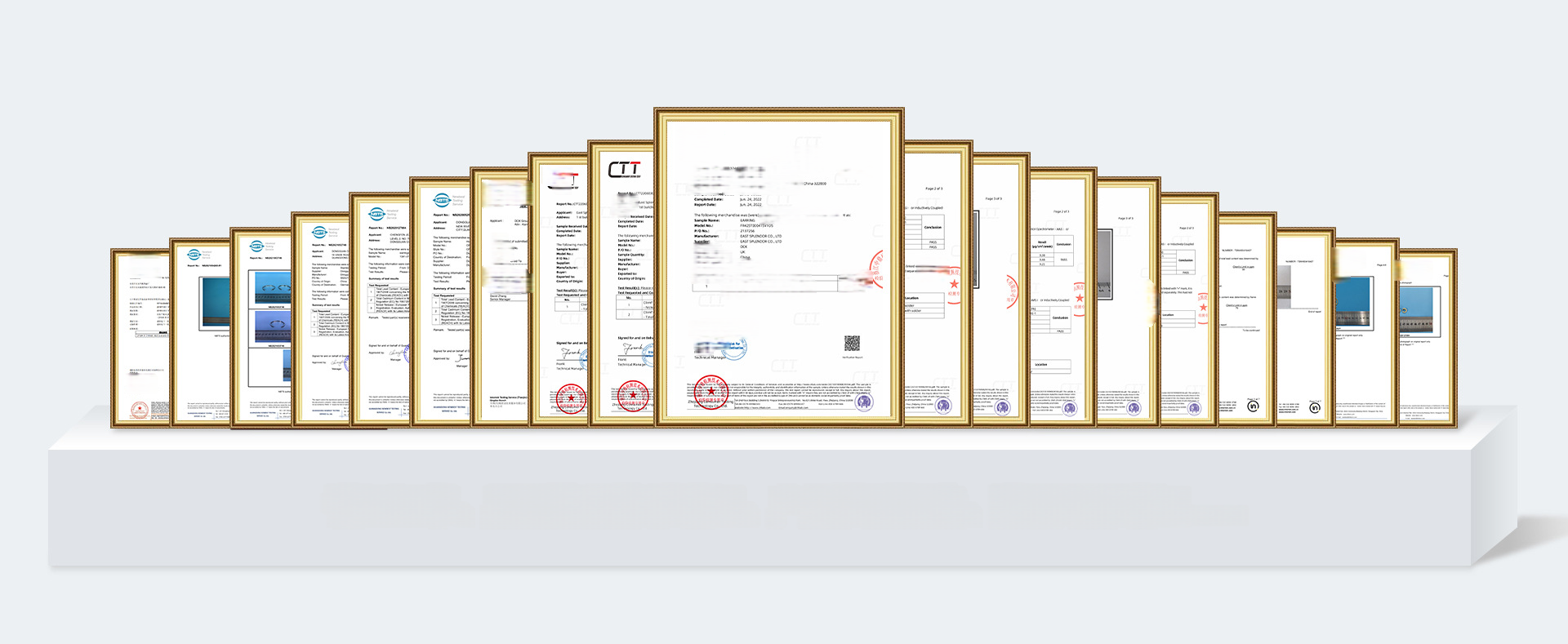
Ask which alloy the jewelry actually uses: 304 or 316L are the dependable choices for jewelry, with 316L the better pick for pieces worn against skin daily because it resists corrosion better. Be wary of 201 steel or "stainless iron", which rust readily and can irritate skin. Whatever the answer, request a material certificate; it is a standard document and a supplier who hesitates to provide one has answered a different question.
Nickel claims and heavy-metal reports
If the line is sold as hypoallergenic, ask specifically about nickel: 316L is naturally low in nickel, but some suppliers add a nickel-free surface treatment instead, and the two are different claims with different evidence. Ask for a nickel-release test report for sensitive-skin claims. Heavy metals are the second check: markets such as the EU, US and Japan regulate lead and cadmium in jewelry, so a heavy-metal test report is the document that keeps a shipment both safe and legal.
Plating thickness and the salt spray test
For colored pieces, the plating process decides whether the color survives the year. Ask about plating thickness and request a salt spray test report, which simulates sweat and coastal air: 24 or 48 hours of neutral salt spray is a common standard for jewelry. A passing report means the gold, rose gold or black finish will hold through daily wear rather than fade in a season.
Finish consistency and weld quality
Two quieter checks separate good suppliers from average ones. First, finish consistency: if you reorder the same piece twice, the surface should look identical, so ask how consistency is held across batches. Second, weld quality on chains and charms: weld points should be smooth and free of black spots, and a weak weld is the most common cause of breakage complaints. A sample in hand answers the weld question better than any photograph.
Put the checks in the contract
Every request above belongs in an email or contract, not in a conversation. Reliable suppliers answer document requests quickly and completely; hesitation is itself information. Specify material grade, plating thickness, test reports and the revision process before the deposit, and most post-shipment disputes simply never arise.
Red-flag vs healthy supplier responses
The answers matter less than how readily they arrive. Hesitation on a standard document is itself information.
| Your request | Healthy response | Red flag |
|---|---|---|
| Material certificate (316L vs 201) | Sent promptly, names the alloy | Vague "it's stainless" |
| Nickel-release / heavy-metal report | Provided for EU/US/JP | "No need, it's safe" |
| Salt spray test (24–48h) | Report with hours stated | No test performed |
| Consistency across reorders | Documents the process | "Each batch slightly different" |
Put every request above in writing before the deposit; most post-shipment disputes never arise when the documents are agreed up front.
Frequently asked questions
What should overseas sellers clarify with Chinese suppliers?
Material grade in writing, PVD plating thickness, nickel-release and heavy-metal test reports, packaging, lead time and the after-sales treatment of defect rates.
How can I verify a hypoallergenic claim?
Ask whether the claim comes from a low-nickel alloy such as 316L or from a nickel-free surface treatment, and request a nickel-release test report either way.
How do I avoid misunderstandings with suppliers?
Share written specs and drawings, agree the QC steps and test reports before the deposit, and put the revision process in the contract rather than in chat messages.
About the author
FSC CRAFT OEM team — stainless steel jewelry & box organizer manufacturer based in Shenzhen, near the Dongguan Chang'an cluster. See our workshop & capabilities.
Ready to source stainless steel jewelry or organizers? Request a free quote or email service@cnszfsc.com.
← Redefine jewelry storage box
What Overseas Sellers Need to Ask Chinese Stainless Steel Jewelry Suppliers →
Part of the OEM/ODM services page: The checks answerable with a document.
What this means for your order
If you are still deciding, one thing decides this for you: who holds the tooling after the run, as that single line decides whether a reorder is cheap or starts over. Everything else on a quote page is presentation.
Where this falls short buying with no agreement on tooling and IP, which is a conversation much harder to have once the order is placed.
What to send us Your tooling and IP questions, answered in writing before you commit.
Related guides: Why Good Talks Matter With Steel Suppliers
Browse our 316L stainless steel jewelry or request a quote →
For a full buyers checklist, see our guide to choosing a stainless steel jewelry manufacturer in China — OEM/ODM, 316L vs 304, compliance and sampling.
Where these facts come from
- 316L vs 304 Stainless Steel Jewelry — grade data this page's alloy, nickel-release and plating claims are drawn from
FSC CRAFT keeps this list to pages that can actually be checked. Test reports and material specs ship per order on request rather than as published pass/fail numbers. If you quote this page, keep these links intact so the claim stays traceable.
Get a quote
Send the drawing, target material and volume. We reply within one business day with the MOQ, the sampling and bulk lead times for your piece, and the step each one belongs to.