OEM vs ODM vs Private Label: Which Fits Your Brand?
Before you get a quote from any jewelry factory, settle which production model you are buying. There are three: OEM, ODM and private label, and they are not interchangeable. Each one moves a different amount of design work, risk and margin between you and the factory. Pick the wrong one and you either end up selling the same item as your competitors, or you pay for design and tooling before you have any demand to show for it.
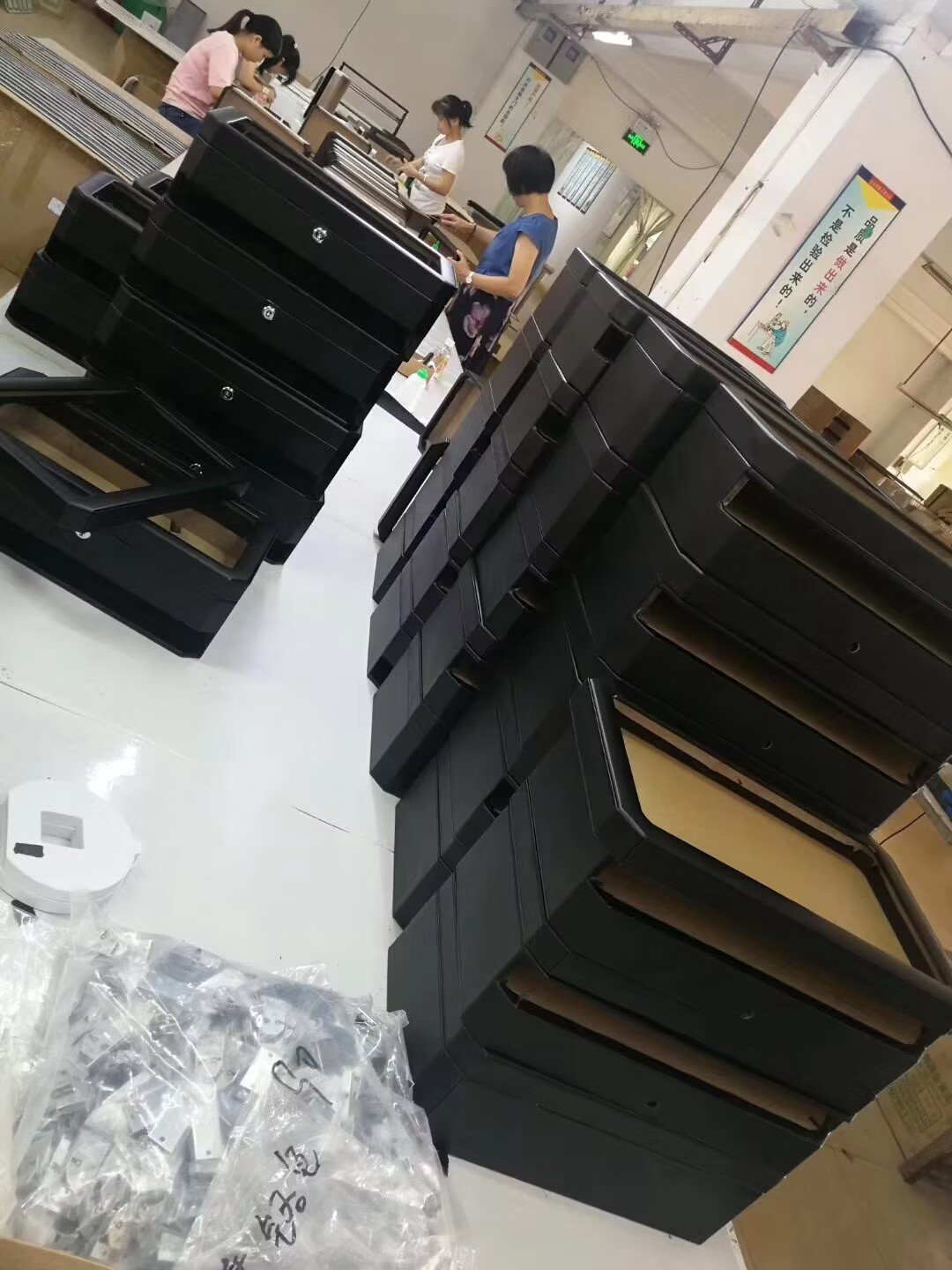
OEM (Original Equipment Manufacturing): You Design, We Build
In an OEM arrangement, the design comes from you. You hand over drawings, CAD files, samples or even a reference product, and the factory turns that into something manufacturable using its own equipment and labor. You keep the design. The factory keeps the production capability. This is the model for brands with a clear design identity that want full control over what they sell.
Pros
- Full design control and product differentiation
- You own the tooling and intellectual property
- Harder for competitors to copy immediately
Cons
- Higher development cost: tooling, engineering, sampling
- Slower time to market while your design is developed
- You bear the risk if the product fails
ODM (Original Design Manufacturing): Factory Design, Your Brand
With ODM, the design work is already done. The factory keeps a catalog of ready-made jewelry boxes, organizers and stainless steel pieces, and you customize the surface: logo, color, packaging, minor details. Because the factory already holds the molds, your cost is much lower and lead times are short. Many Dongguan factories built their reputation on this model, moving from OEM contract work to high-end customization over the years, as this overview of Dongguan leather jewelry storage boxes and their customization options explains.
Pros
- Low development cost and fast launch
- No tooling fees for existing designs
- Quick iteration based on market feedback
Cons
- Competitors can sell the same base product
- Less differentiation unless you customize aggressively
- Factory owns the design IP
Private Label: White-Label Product, Your Brand Story
Private label sits close to ODM but leans further toward turnkey. You pick an existing product, apply your branding, and the factory handles production, packaging and sometimes even logistics. It is the fastest way to launch a jewelry line with minimal upfront investment, which is why many Amazon and Etsy sellers start here.
Pros
- Lowest barrier to entry
- Predictable costs and fast restocking
- Ideal for testing new markets and niches
Cons
- Thinnest differentiation: anyone can sell the same item
- Price competition compresses your margin
- Hard to build lasting brand equity on commodity products
Side-by-Side Comparison
| Factor | OEM | ODM | Private Label |
|---|---|---|---|
| Design ownership | You | Factory | Factory |
| Development cost | High | Low | Lowest |
| Time to market | Slow | Fast | Fastest |
| Differentiation | Maximum | Moderate | Minimal |
| MOQ | Higher | Lower | Lowest |
| Best for | Established brands | Growing brands | New sellers |
Decision Worksheet: Pick Your Model in 3 Questions
Before you email a factory, answer these three. Your answers point to one model.
| Ask yourself | If the answer is… | The model that fits |
|---|---|---|
| Do you already have finished designs, CAD files or samples? | Yes — you bring the IP | OEM (you design, factory builds) |
| Do you have a direction but no drawings yet? | Some direction, no files | ODM (factory design, your brand) |
| Do you just want a proven product with your label, fastest and cheapest? | No designs, testing the market | Private label (white-label, your story) |
A second pass on risk and budget:
- Lowest cash out, fastest launch → private label or light ODM.
- Want a product no competitor can copy from a catalog → OEM with written tooling and IP ownership.
- Sitting between → ODM customization: existing structure, your logo, color, packaging and small exclusive details.
Print this table, fill it in, and take it to your first supplier call. It keeps the conversation on ownership, cost and lead time instead of on a sales pitch.
How to Choose Based on Your Brand Stage
Stage 1: You Are Just Starting Out
Do not burn cash on custom tooling before you have sales data. Launch with private label or light ODM: take a proven design, add your logo, and validate demand with real orders. Keep your first production run small enough that a slow sell-through does not hurt.
Stage 2: You Have Traction and Want Differentiation
Graduate to deeper ODM customization: custom colors, materials, packaging and exclusive details within the factory's existing designs. It balances cost against uniqueness. Chinese factories have made exactly this journey from OEM contract work to global brands, a path described in detail in our analysis of how Chinese light-luxury jewelry boxes became global brands.
Stage 3: You Have a Clear Design Identity
Invest in full OEM: commission exclusive tooling, protect your design, and build a product no competitor can copy from a catalog. This is the right move when you have volume projections that justify the development cost and a brand position that demands originality.
Common Mistakes When Choosing a Model
- Paying OEM prices for ODM products (you paid for exclusivity you did not get)
- Choosing private label when you need differentiation (margin race to the bottom)
- Neglecting written IP agreements even in OEM (protect your designs with a contract)
- Ignoring MOQ implications of custom tooling (tooling amortization raises unit cost at low volumes)
Questions to Ask Your Factory Before Deciding
- Do you have existing designs in this category I can private-label? Can I see the catalog?
- What customization is possible without new tooling?
- If I go OEM, who owns the molds and how are they stored?
- What are the MOQs for each model?
- Can you show me brands that use your ODM designs, and brands that went exclusive?
How to Transition Between Models as You Grow
Most successful brands do not stay in one model forever. A typical path looks like this: launch with private label to validate demand, move to ODM customization once best-sellers emerge, then invest in OEM tooling for hero products. The transition timing matters more than the destination. Move to OEM only when a product proves it can sell enough volume to amortize the tooling cost, and keep your ODM lines running while the new design develops. Also plan your inventory cash flow: OEM tooling ties up capital before the first unit ships, so pair the switch with a pre-order or crowdfunding campaign if possible. Brands that jump straight to OEM without sales data often burn their budget on tooling for products nobody buys.
Can I use both OEM and ODM products in one collection?
Absolutely. Many brands run a core ODM line for steady volume and add exclusive OEM hero pieces for differentiation. The mix lets you control costs while building a unique identity.
Who owns the molds in an OEM agreement?
Whoever pays for them, and that has to be written into the contract. If you pay the tooling fee, the contract should state the molds belong to you and must be returned or destroyed if you switch suppliers. Never rely on a verbal promise.
What is the cheapest way to test a new jewelry market?
Private label on an existing factory design, ordered in the smallest quantity the factory accepts. You test pricing, demand and customer feedback with the lowest possible cash outlay.
How do I protect my logo and designs in ODM?
Your logo is protected by trademark in your market; the factory may produce the same base design for others, so keep your distinctive branding and packaging as the differentiator. For truly exclusive designs, negotiate an exclusivity clause in writing.
Which model gives the highest margin?
OEM typically offers the highest margin because the product is exclusive and faces less price competition. The trade-off is higher development cost and a slower launch. Margin only matters if the product actually sells.
Key Takeaways
- OEM = your design, your tooling, maximum differentiation and cost; ODM = factory design with your branding; private label = fastest, cheapest, least unique.
- Match the model to your stage: private label to validate, ODM to differentiate, OEM when volume justifies tooling.
- Put mold ownership, exclusivity and IP protection in writing before production.
- You can mix models in one collection: core ODM volume plus exclusive OEM hero pieces.
- Never pay OEM-level development costs for a product you do not own exclusively.
Making the Decision
There is no universal best model. There is only the right model for your current stage. Start where the risk is lowest, move up the ladder as your sales data justifies it, and always put the agreement in writing. A factory that pushes you toward a model that does not fit your stage is a factory looking after its own interests first.
FSC CRAFT supports all three models for jewelry boxes, organizers and stainless steel jewelry. Whether you want to private-label an existing travel case or develop an exclusive OEM design, talk to our team and get a tailored quote.
← How to Find a Reliable Jewelry Organizer Manufacturer in China: 2026 Checklist
Alibaba vs Direct Factory Sourcing: Real Costs of Buying Stainless Steel Jewelry from China →
Part of the wholesale page: Which route fits where your brand is right now.
Glossary
- MOQ (Minimum Order Quantity): the smallest number of units a factory will produce per style and color. Tooling and setup fixed costs are spread across the run, so MOQs set the floor on your first order.
- Tooling / Molds: the physical forms used to shape a design. In OEM you usually pay for them; ownership and storage should be written into the contract.
- White-label: a finished product made by one company and sold by another under a different brand. Private label is the retail-facing version of this idea.
- Exclusivity clause: a written agreement that a factory will not produce your specific design for another buyer. Without it, "exclusive" is only a promise.
- PVD (Physical Vapor Deposition): a coating process that bonds a hard, even finish (gold, black, gunmetal) to stainless steel. It outlasts bare plating on daily-wear pieces.
- IP agreement: the contract that states who owns the design, the tooling and any artwork. Put it in writing before production, not after the first sample.
Frequently Asked Questions
Which model suits a brand with no design team?
ODM, where the factory already has a range and you take it under your label. It is the fastest route to shelf and the least differentiated, which is fine while you are learning what your customers actually buy.
What does OEM require from me?
A specification and a tolerance position. You own the design, so you own the decision about which dimension matters most, and that decision belongs in writing before tooling is cut rather than during it.
Can one factory supply all three models?
Many can, and the risk is that the model becomes ambiguous. Being clear which one you are buying decides who owns the artwork, who owns the tool and who owns the correction when the first sample arrives wrong.
What this means for your order
If you are still deciding, one thing decides this for you: how much design work you take on yourself: OEM means you bring the drawings, ODM means you choose from existing structures, private label means you keep our product and take the branding. Everything else on a quote page is presentation.
Where this falls short worth skipping if you want a product nobody else has while contributing no design of your own - that is not how any of the three works.
What to send us Tell us whether you own a design or are starting from a structure, and which of the three fits your timeline.
Browse our 316L stainless steel jewelry or request a quote →
Get a quote
Send the drawing, target material and volume. We reply within one business day with the MOQ, the sampling and bulk lead times for your piece, and the step each one belongs to.