What you should be able to confirm before you place an order
Buyers who source from China rarely get burned by the price. They get burned by the things they could not check in advance: a minimum that moves after the sample, a lead time that was agreed verbally, a compliance document that covers a different product, or tooling that turns up on someone else's catalogue.
The list below is what we can show you in writing, and what we will hold to before a bulk order starts. If a point on this list is not something your current supplier will put in writing, that is worth knowing now rather than after the deposit.
- Minimum quantities per product line, stated before sampling rather than after.
- Lead times per step, sampling and bulk, given as ranges with the step named.
- Compliance documentation for your destination market, issued against the product you are buying.
- Tooling and design ownership, in writing, before any mould is cut.
- An inspection standard agreed in advance, so "acceptable" has a number attached to it.
- A single contact who can name the production step your order is on.
The two things that cause most of the surprise
Jewelry and jewelry boxes are usually sourced through one of two arrangements: a single factory with a fixed floor, or a trading company that coordinates several workshops without visible control of quality.
The arrangement we work under sits between them, and it changes two practical things for you:
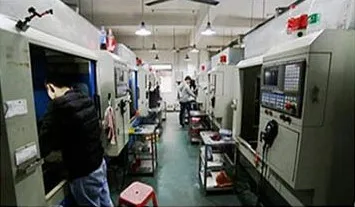
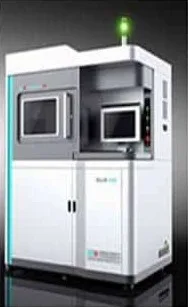
Process ownership. Assembly, inspection and export run under one roof in Shenzhen, so the person you brief is the person who answers when a batch is late. Work happens across specialised workshops in the Dongguan Chang'an cluster, each doing one process: chain making, stamping, CNC, wax modelling, 3D printing, casting, PVD plating. Assigning your order to one workshop is the buyer's decision, not something we decide for you.
What stays with you. Drawings, moulds and tooling belong to you. On request we sign an NDA. We do not reuse or resell a client's design or tooling, and if you place orders under a brand name, the packing stays yours.
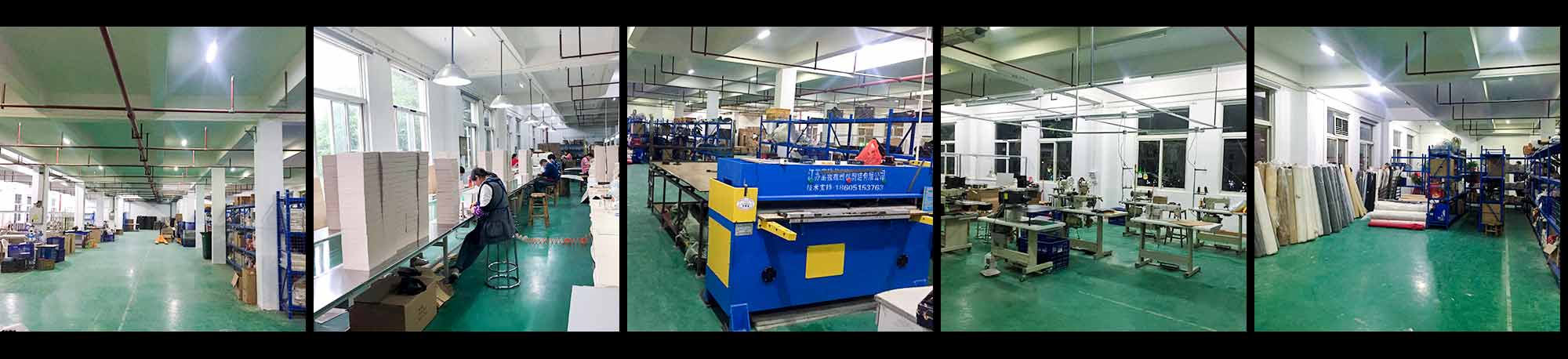 Our jewelry box workshop, left to right: parts production, assembly, die cutting, stitching, and the warehouse for leather and fabric stock.
Minimums, and why they differ by line
The two lines we run have different floors, and the reason is worth understanding before you evaluate a quotation.
- Stainless steel jewelry: around 100 pieces per design. The figure moves with the piece: new brands start with a trial batch, established brands reorder at volume.
- Jewelry boxes and organizers: 500 pieces per style and colour. This floor is not negotiable. Each box needs a cutting die, and material suppliers sell leather and fabric by volume, so a smaller run costs more per unit than the die amortises over.
If your volume is below either figure, the useful conversation is about which part of the order can be smaller, not about whether the minimum exists.
Compliance documents, and what each one covers
We manufacture to CE, RoHS and FCC requirements and prepare documentation per order to match your destination market. We do not hold certificates that apply to your shipment before you ask, so treat this as the question to ask early:
- Which standard applies to your product category in your market?
- Which issuer will sign the report, and can you verify it with them?
- Which batch does the report cover, and is it the one shipping?
See compliance and testing for what each report actually measures and how to read it.
The inspection standard, in writing
An inspection is only useful if the standard was agreed before production started. Before the balance payment, we agree on:
| Item | What gets agreed |
|---|---|
| Defect definition | Which faults count as defects, for this product type |
| Defect tolerance | A percentage, or a named sample size with acceptance number |
| Inspection scope | Full inspection, sampling plan, or third-party |
| Who inspects | Our inspector, or yours, with the report issued to both |
| Rework route | What happens if the batch fails, and at whose cost |
See how to check quality on a stainless steel jewelry order for the sequence to run on your own order.
Where the work happens
Headquartered in Shenzhen, Guangdong, adjacent to the Dongguan Chang'an manufacturing cluster — close to the craft, close to your supply chain.
Shipping runs under EXW Shenzhen or DDP, and what comes with the shipment sets out who pays what for freight and duty.
FAQ
What is your minimum order quantity? Stainless steel jewelry starts around 100 pieces per design. Jewelry boxes and organizers are 500 pieces per style and colour, driven by the cost of the cutting die and by how our material suppliers sell by volume.
Can I get a sample before committing to a minimum? Yes. Sampling is charged separately, and the fee is quoted before we start. See why sampling costs what it costs for what the fee covers.
How long does production take? Sampling runs around 15 days for jewelry or around 20 days for boxes. Bulk runs about 45 days for metal jewellery and box lines, and about 25 days for beaded pieces.
Do you hold compliance certificates for our market? Documentation is prepared per order against the product you are buying. Tell us the destination market and product category, and the report will be issued for that shipment.
Who owns the tooling if I supply my own design? You do. The NDA covers drawings and tooling, and neither is reused or resold.
Can I inspect before shipment? Yes, and we agree the inspection standard in writing before production starts. Third-party inspection can be named in the contract.
Contact FSC CRAFT with your drawings, target materials, and volumes. We will map the right workshop mix to your programme.
What this means for your order
If you are still deciding, one thing decides this for you: whether the six points above are the ones you mean to hold your next supplier to. Everything else on this page is framing.
Where this falls short comparing on unit price alone, or needing a supplier who ships catalogue stock this week — both are real needs, and neither is ours to fill.
What to send us the six points you would put in writing, and we will tell you which of them we can hold to with a document or a date behind each one.