Jewelry Box Quality Inspection: Inside and Outside
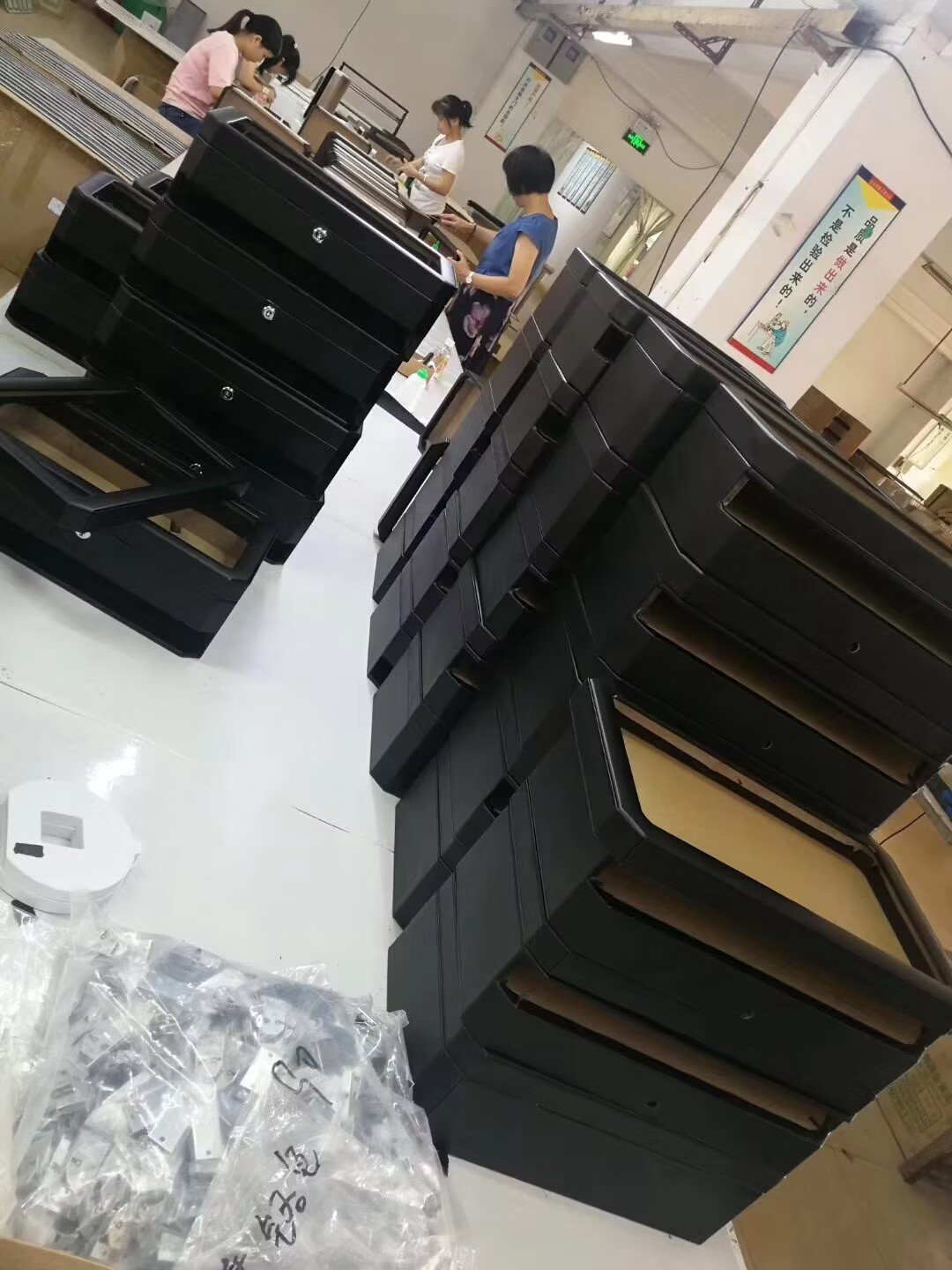
A jewelry box that has been assembled is not yet a box that can ship. Before leaving the factory, each unit goes through a final inspection that covers how it survives knocks, what is in its materials, and how it feels and smells in the hand.
The scratch test
Boxes get knocked around in daily use, so the surface is tested against something with the hardness of a house key. An inspector draws a metal pen across the box surface with roughly the force of an accidental bump. A white mark means the surface finish failed and the box goes back, because nobody wants their new box scuffed by a ring before the first piece of jewelry goes in.
The drop test
The drop test simulates the worst single moment a box will have. A unit loaded with simulated jewelry is dropped from 80 centimeters, about the height of a kitchen counter, three times in a row. Afterwards the inspector checks whether the lid still seats tightly, whether the hinges have loosened, and whether the lining has shifted. A box whose lining corners curl after the drop is marked for rework on the spot.
Chemical testing on the materials
What looks fine on the surface can still be unsafe, so the chemical pass targets what the eye cannot. Samples from each batch are cut from the leather and lining and sent to a laboratory, where lead, cadmium and similar heavy metals are measured against strict limits. Jewelry boxes touch skin and hold items people wear all day, so this is the test a buyer should care about most and ask for documentation on.
The human pass: hands and noses
After the instruments, people. Experienced inspectors run gloved hands over every edge and corner and can pick out a 0.1-millimeter imperfection by touch alone. The odor check is just as strict: a box is sealed for five minutes, then opened and smelled. No smell or a faint leather scent passes; any pungent glue or paint odor fails, however faint. A single batch once failed on a slight smell traced to a new glue lot, and the workshop changed the glue rather than ship it.
What this means for a buyer
The point of stacking a scratch test, a drop test, chemical analysis and a sensory pass is that each catches a defect the others cannot see. When you agree an inspection standard with a factory, name the checks you want reports on rather than accepting a general promise that everything was checked - the specific tests are what make the promise enforceable.
Inspection standard checklist
Agree the specific tests and the pass/fail bar before production, not after. A general promise that "everything was checked" is not enforceable; named tests are.
| Test | What it catches | Pass / fail |
|---|---|---|
| Scratch (key-hardness pen) | Surface finish weakness | White mark = fail |
| Drop (80 cm, 3×) | Lid seat, hinge, lining shift | Curled lining = rework |
| Chemical (Pb/Cd lab) | Unsafe materials | Batch sample fails = reject |
| Sensory (hand + smell) | 0.1 mm edge, solvent odor | Pungent glue smell = fail |
Request documented results for your shipment up front so sampling and paperwork are built into the run instead of chased afterward.
Frequently asked questions
What happens to a box that fails inspection?
It is marked for rework or pulled from the batch. A curled lining corner after the drop test or a faint glue smell in the odor check is enough to fail a unit, and a failed material test rejects the whole batch sample.
Can I get test reports for my shipment?
Yes, on request. Drop, scratch and material test results can be documented for your order; ask before production starts so the sampling and paperwork are built into the run instead of chased afterwards.
Why does the factory smell-test boxes?
A pungent odor signals leftover solvents or a bad glue batch that visual and instrument checks can miss. Jewelry boxes are opened close to the face, so a smell a customer would notice is treated as a defect, not a quirk.
← The meticulous work on the assembly line: The entire process of assembling jewelry boxes
The breakthrough solution for the jewelry box industry →
Part of the OEM/ODM services page: The same inspection run on a box instead of a pendant.
What this means for your order
If you are still deciding, one thing decides this for you: how deep the inspection goes, which is set by the defect classes you accept and the AQL level you agree to, not by the promise that everything was checked. Everything else on a quote page is presentation.
Where this falls short this is wasted on you if all you want on the box is a sticker saying it passed.
What to send us Tell us the AQL level and sample size you buy to and we will quote inspection against your numbers.
Where these facts come from
- Jewelry boxes & organizers catalog — the verified organizer/box specs this page's examples come from
FSC CRAFT keeps this list to pages that can actually be checked. Test reports and material specs ship per order on request rather than as published pass/fail numbers. If you quote this page, keep these links intact so the claim stays traceable.
Get a quote
Send the drawing, target material and volume. We reply within one business day with the MOQ, the sampling and bulk lead times for your piece, and the step each one belongs to.