Three Points That Decide a Market Entry
Stainless steel jewelry has carved out a real position: far below gold on price, far tougher than silver on wear. But the category is now crowded, and simply adding a few designs to a catalog does not create a position in it. Three decisions separate the programs that sell from the ones that stall.
First: who the piece is for
Men's and women's stainless steel jewelry respond to different arguments. Male buyers tend to pay for function: a smart bracelet that counts steps and reads messages can carry a higher price because it works as a tool, not just an ornament. Female buyers respond to meaning: a necklace engraved with a date, or earrings shaped like petals with a story behind them, outsells a technically similar plain piece. Same metal, two completely different design briefs. A seller who targets both needs two lines, not one average of the two.
Second: what the region reads as beautiful
Regional taste is not decoration; it decides what sells. Consumers in the Middle East favor steel jewelry carrying religious symbols and Arabic calligraphy, and those designs have a strong market there. The same pieces shipped to Southeast Asia would sit: that region responds to local folkloric totems such as elephants and lotus flowers. Decoding the local visual language before ordering is cheaper than discounting a container of pieces nobody wants, which is why market segmentation belongs in the brief, not after the quotation.
Third: where the price sits
The plating process sets the price band more than anything else in the build. Conventional electroplating is cheap and looks it: the color fades and the surface wears quickly. PVD coating costs more per piece but keeps its color and resists wear for years, which puts the finished jewelry in a "affordable but not cheap" band: above the disposable tier, far below luxury brands. That band is where repeat purchase happens, because the buyer gets texture that lasts without paying for a name.
How the three checks work on a real order
Before committing a budget, ask three questions in order: who exactly wears this, which region sees it first, and what plating process the price assumes. If the answers are "everyone", "everywhere" and "whatever is cheapest", the program is not ready to quote. If they are specific, the same three answers become the spec a factory needs to quote accurately.
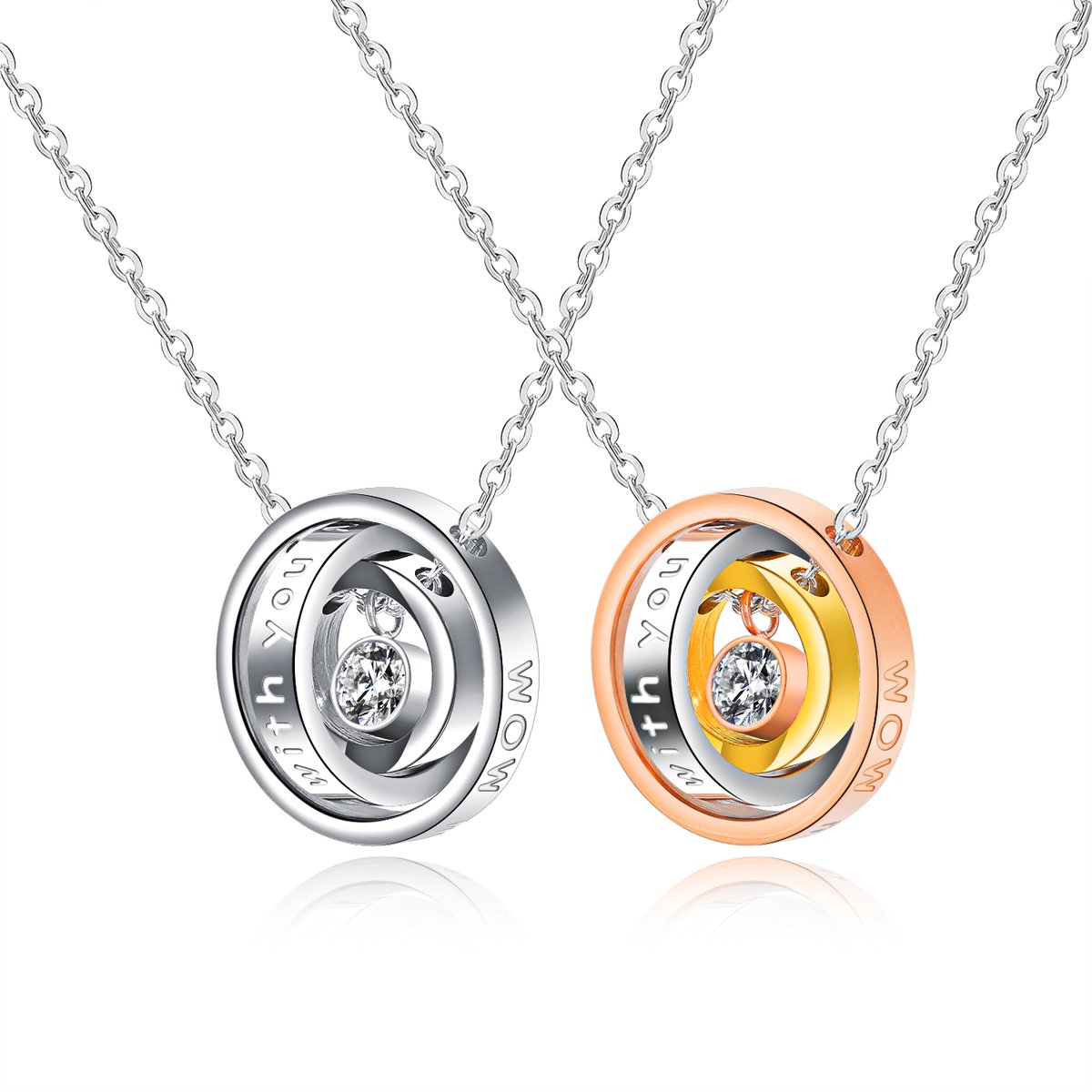
The three-question self-audit
Before committing a budget, answer these in order. If the answers are "everyone", "everywhere" and "whatever is cheapest", the program is not ready to quote.
| Question | Specific answer (good) | Vague answer (not ready) |
|---|---|---|
| Who wears this? | Men's function line OR women's meaning line | "Both, averaged" |
| Which region first? | Middle East religious OR SEA totems | "Everywhere" |
| What plating sets the price? | PVD for a durable middle band | "Cheapest electroplate" |
The same three specific answers become the spec a factory needs to quote accurately, and the third — a defensible price band with repeat volume — is usually the one missing.
Frequently asked questions
Which of the three decisions matters first?
The audience. Men's programs tend to sell function and women's programs sell meaning, and the design brief, plating choice and price band all follow from which buyer the line is actually for.
Do regional designs travel between markets?
Rarely. Religious-symbol pieces that sell strongly in the Middle East do not translate to Southeast Asia, which prefers local folkloric totems. Region-specific designs should stay region-specific.
Does PVD cost much more than electroplating?
Somewhat more per piece, but it holds color and resists wear for years instead of fading in months. That lands the jewelry in a durable middle band that supports repeat purchase rather than one-off sales.
← The breakthrough solution for the jewelry box industry
Stainless steel jewelry is categorized according to regional cultural characteristics. →
Part of the wholesale page: The three volume decisions before a quote.
What this means for your order
If you are still deciding, one thing decides this for you: which of the three you can actually commit to: product differentiation, a defensible price band, and a repeat volume - the third is usually the one that is missing. Everything else on a quote page is presentation.
Where this falls short does not survive being read as a formula; the three points only hold together for someone who already has the volume to fill them.
What to send us Tell us your differentiation and your repeat volume and we will say which of the three constrains you first.
Get a quote
Send the drawing, target material and volume. We reply within one business day with the MOQ, the sampling and bulk lead times for your piece, and the step each one belongs to.