Stainless Steel Jewelry: From Outsourcing to Manufacturing
Two very different operations sit behind the same stainless steel quote if you source in China. One is a contract shop that stamps to somebody else's drawing. The other owns its tooling, sets its own process parameters and can change a design without asking a client first. The distance between those two is the difference between outsourcing and manufacturing, and it decides what you can reasonably ask for.
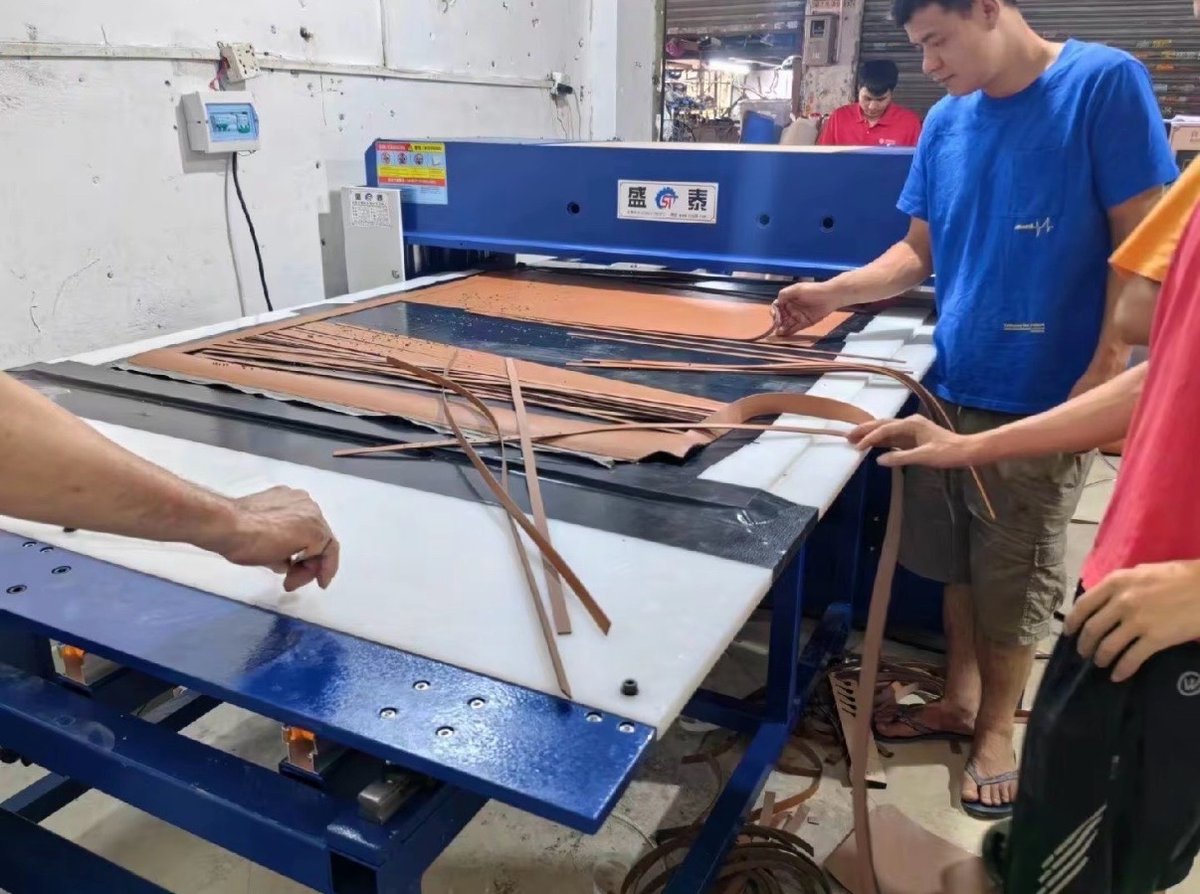
Contract work still has its place
Pure contract manufacturing has not disappeared, and for some buyers it is the right answer. If you have a drawing, a packaging plan and a volume you intend to repeat, a contract shop will build it to spec and quote from cost. What you give up is leverage on the design: changes cost you a new round of tooling and a new lead time, and the process parameters stay with the shop.
Where the model moved
Over the last two decades the cluster around Dongguan Chang'an shifted from pure assembly toward in-house engineering, and the visible signs matter to a buyer:
- Tooling owned by the factory. A shop that cuts its own dies can revise a structure in-house instead of routing the change back out.
- Finishing in-house. Plating, polishing and setting are the three steps most likely to be outsourced; if they are not on site, your colour match across a batch is luck.
- Design capability. A factory that designs as well as builds will propose a structure that saves you money before you ask.
- Documentation that exists. Material certificates and test reports are produced by whoever ran the process, not retrofitted afterwards.
What this means for a first order
The practical test is not a factory tour photo. Ask which three steps stay in the building, where the tooling lives, and who signs the inspection report. Then check the answers against what you actually need:
- A repeatable style at volume: confirm the plating line and the QC points.
- A new shape: confirm who cuts the die and how long a revision takes.
- A regulated market: confirm the paperwork that comes with the shipment.
Our own line runs at a minimum of 100 pieces per design for stainless steel jewelry, with sampling around 15 days and bulk production around 45 days. Boxes follow a different rule — 500 pieces per style and color, because the die has to be cut first. The reasoning is set out in why custom jewelry boxes have a 500-piece MOQ.
Reading the trade-off honestly
Outsourcing looks cheaper on a small order and gets expensive the moment you want a change. Manufacturing looks slower to start, because tooling and process setup come first, and then gets cheaper every time you revise. Most brands pass through the first phase before the second pays off, and the order in which you make that switch is a commercial decision rather than a technical one.
Frequently Asked Questions
What is the difference between outsourcing and manufacturing in jewelry sourcing?
Outsourcing means the factory builds to a drawing you supply and owns none of the process knowledge; manufacturing means it holds the tooling, the process parameters and the finishing steps, and can improve the product without you sending a revised drawing. The second costs more to set up and gives you more to control.
Is contract manufacturing cheaper?
On a first order, usually yes, because nobody has paid for tooling yet. On a design you keep revising, it gets expensive, because every change restarts tooling and lead time. Most brands find their unit cost falls once they stop changing the design.
How do I tell whether a supplier owns its tooling?
Ask which three steps stay inside the building, where the dies are cut, and who signs the inspection report. A shop that has to send a revision out to another workshop will tell you immediately. Look at how stainless steel jewelry is made for the route we use.
Why is the plating line so important for batch consistency?
Colour matching is decided on the plating line, not in design. If plating is outsourced, the same order can leave the building in two different tones without anyone noticing. Ask to see the line, or ask for a written tolerance on the colour.
How long does it take to move from a drawing to a repeatable order?
Allow about 15 days for sampling and around 45 days for bulk, with the clock starting when the drawing is final. A design that changes during sampling can add another round to both figures — see why jewelry sampling takes 15 days for what drives it.
What minimum should I expect for stainless steel jewelry?
100 pieces per design for our jewelry line. Lower-value items need a higher minimum, since the setup cost per piece rises as the piece gets cheaper.
← The drawbacks of stainless steel jewelry can be easily addressed to make them more popular.
Forty Years of Stainless Steel Jewelry: The Rise of Chinese Manufacturing →
Part of the OEM/ODM services page: Contract work and owned tooling as two different routes.
What this means for your order
If you are still deciding, one thing decides this for you: how much of the value you intend to own: buying a finished line keeps you exposed to whoever owns the tooling, which is the part that cannot be changed later. Everything else on a quote page is presentation.
Where this falls short not a route worth considering if your volume does not yet justify owning tooling of your own.
What to send us Tell us your forecast volume and we will say at what point owning the tooling beats renting someone else's.
Related guides: Silver Stainless Steel 1-Star Earrings; Customizable Stainless Steel Rings for a Personal Touch; Men's Stainless Steel Razor Blade Pendant Necklace
Ready to source this?
If you are planning a stainless steel jewelry or organizer program, contact our team with a drawing or reference sample for a quote, or browse the full catalog.
Browse our 316L stainless steel jewelry or request a quote →
Get a quote
Send the drawing, target material and volume. We reply within one business day with the MOQ, the sampling and bulk lead times for your piece, and the step each one belongs to.