Does Stainless Steel Jewelry Turn Your Skin Green?
Quick answer: genuine 316L stainless steel jewelry does not turn your skin green. The green discoloration people see comes from copper (and some low-grade alloys), not from stainless steel. Here's exactly why — and how to be sure you're buying the safe grade.
Direct answer: no, stainless steel jewelry does not turn your skin green. The green-skin reaction is caused by copper (and some low-grade alloys), not by stainless steel. If you have seen green marks from jewelry before, that piece was almost certainly copper, brass or a cheap plated alloy — not 316L.
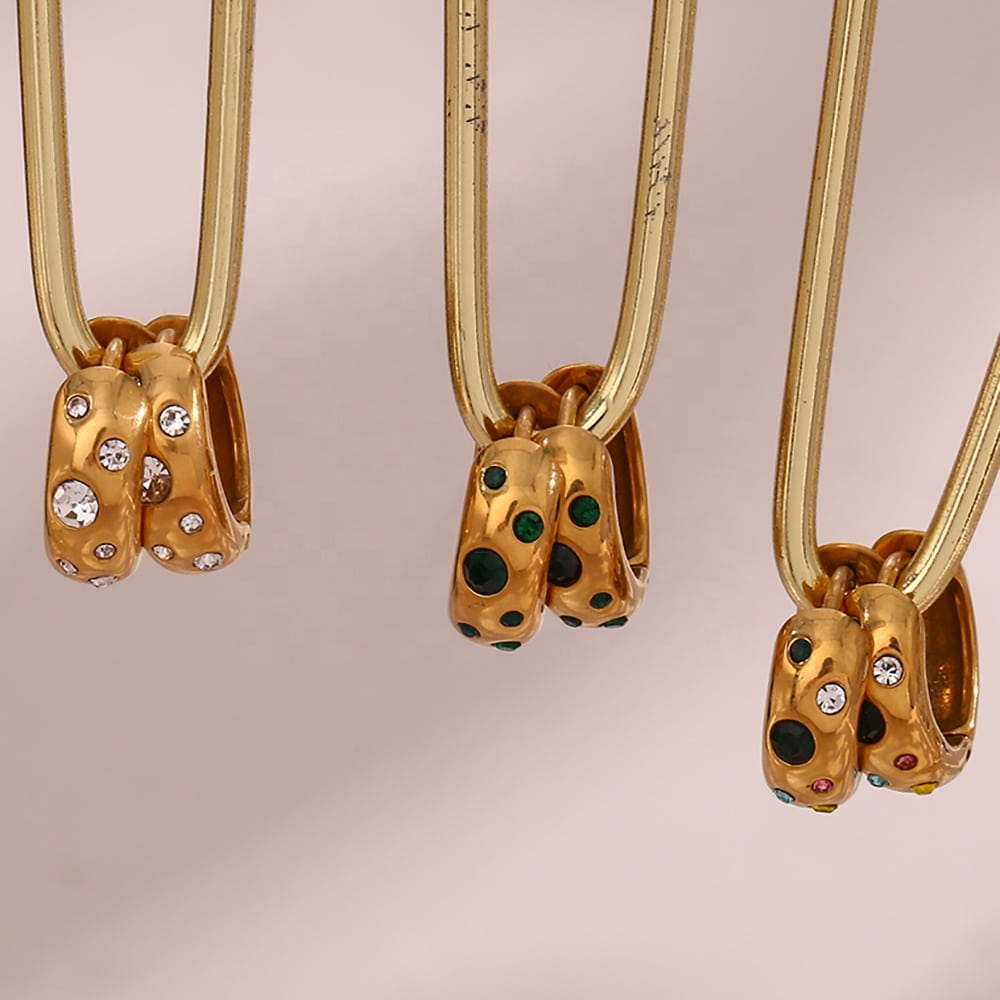
Why some jewelry turns skin green
"Green finger" is copper reacting with skin acids, sweat and air to form copper salts — a greenish compound that transfers to the skin. Cheap fashion jewelry is often a copper or brass base with a thin plating; once the plating wears through, the copper shows and reacts. Stainless steel contains no copper in its jewelry grades, so it cannot produce that reaction.
Then why is there a dark mark under my steel ring?
A dark or grey mark under a stainless ring is almost always residue , not the metal corroding:
- Soap, lotion, sunscreen or hard-water film builds up in the grooves of a band and transfers to the skin.
- On a PVD-colored piece, if the mark does not wash off, the color coating may be worn through at a high-contact point, exposing the bare steel underneath.
Both are fixed by a proper clean: warm water, a drop of mild soap, a soft brush for the grooves, then rinse and dry. Our care guide walks through it. If a mark appears on bare 316L and does not wash off, that points to a different metal — check the stamp.
How to be sure your steel is real
- Look for a grade stamp. "316L" or "304" means a verified stainless grade that will not green your skin.
- Be wary of vague labels. "Stainless," "surgical" or "hypoallergenic" with no grade could be a plated base metal.
- Check the mark location. Green on the skin under a ring almost always means copper/brass at the contact point — not stainless.
316L specifically
316L is an austenitic grade with a stable passive layer that holds its nickel and other elements in the crystal structure. It does not leach copper, so it cannot cause the green reaction. For sensitive-skin context, our hypoallergenic guide explains what 316L does and does not release.
Bottom line
If green skin is your worry, stainless steel — verified 316L — is one of the safest choices, precisely because it contains no copper. A dark film is cleaning, not corrosion. For the material basics behind this, compare 316L and 304 stainless steel and read about PVD coatings if your piece is colored.
Because 316L contains little to no copper, it stays skin-safe for most wearers, and a PVD coating seals the surface further. If a piece ever irritates, it is almost always a plating or alloy issue, not the steel base. FSC CRAFT uses 316L with optional PVD for hypoallergenic lines.
316L vs 304 or the PVD process.
Does stainless steel jewelry turn your skin green?
Pure 316L stainless steel does not react with skin. Green discoloration comes from copper/nickel alloys or worn plating, not from quality stainless steel.
Is stainless steel jewelry hypoallergenic?
316L is low-nickel and widely tolerated. We also supply EN 1811 nickel-release tested batches on request for sensitive-skin markets.
About the author
FSC CRAFT OEM team — stainless steel jewelry & box organizer manufacturer based in Shenzhen, near the Dongguan Chang'an cluster. See our workshop & capabilities.
Ready to source stainless steel jewelry or organizers? Request a free quote or email service@cnszfsc.com.
← Stainless Steel Jewelry vs Sterling Silver: Which Should You Buy?
Stainless Steel Jewelry Pros and Cons (Honest) →
Part of the jewelry storage guide. Next: the 316L jewelry care guide.
Also answered in the FSC CRAFT FAQ: 316L against 304, tarnish, skin discolouration and care, in one list.
Part of the compliance and testing page: Why the colour appears and whether it clears.
Frequently Asked Questions
Is green skin a sign that the jewelry is fake?
It is a sign about the alloy rather than about authenticity. The green comes from copper, and a genuine 316L piece carries very little of it. Low-grade alloys and some brass pieces are what produce the mark.
Can a 316L piece still leave a mark?
Very rarely, and usually through plating wear rather than through the base metal. A plating that has thinned at a clasp or an edge can expose the metal beneath, and that is the case for re-plating the piece.
What is the fastest way to check before buying?
Ask for the alloy and the plating specification in writing, then ask for the nickel release scope. A seller who can name the grade and the finish without hesitating is telling you something a photograph cannot.
What this means for your order
If you are still deciding, one thing decides this for you: the alloy and the coating rather than the price, since the green mark is a surface event and surface is what can be specified. Everything else on a quote page is presentation.
Where this falls short not a defect to be bothered about if nobody wears the piece for long hours against the skin.
What to send us Tell us the target market and wearing hours and we will tell you which alloy standard applies.
Where these facts come from
- Stainless steel jewelry catalog — the verified product spec and photography this page's examples come from
- 316L vs 304 Stainless Steel Jewelry — grade data this page's alloy, nickel-release and plating claims are drawn from
FSC CRAFT keeps this list to pages that can actually be checked. Test reports and material specs ship per order on request rather than as published pass/fail numbers. If you quote this page, keep these links intact so the claim stays traceable.
Get a quote
Send the drawing, target material and volume. We reply within one business day with the MOQ, the sampling and bulk lead times for your piece, and the step each one belongs to.