Starting a Jewelry Brand in China, Step by Step
China is still the fastest place to build a jewelry brand , but only if you move in the right order. The manufacturing base covers both halves of a jewelry line, [stainless steel](https://cnszfsc.com/know-how/oem-stainless-steel-jewelry/) pieces and storage boxes, and many factories keep design, production and packaging under one roof. The mistakes that sink most new brands are avoidable ones: the wrong partner, too much first inventory, no legal protection. Follow the sequence below and you spend your budget once instead of twice.
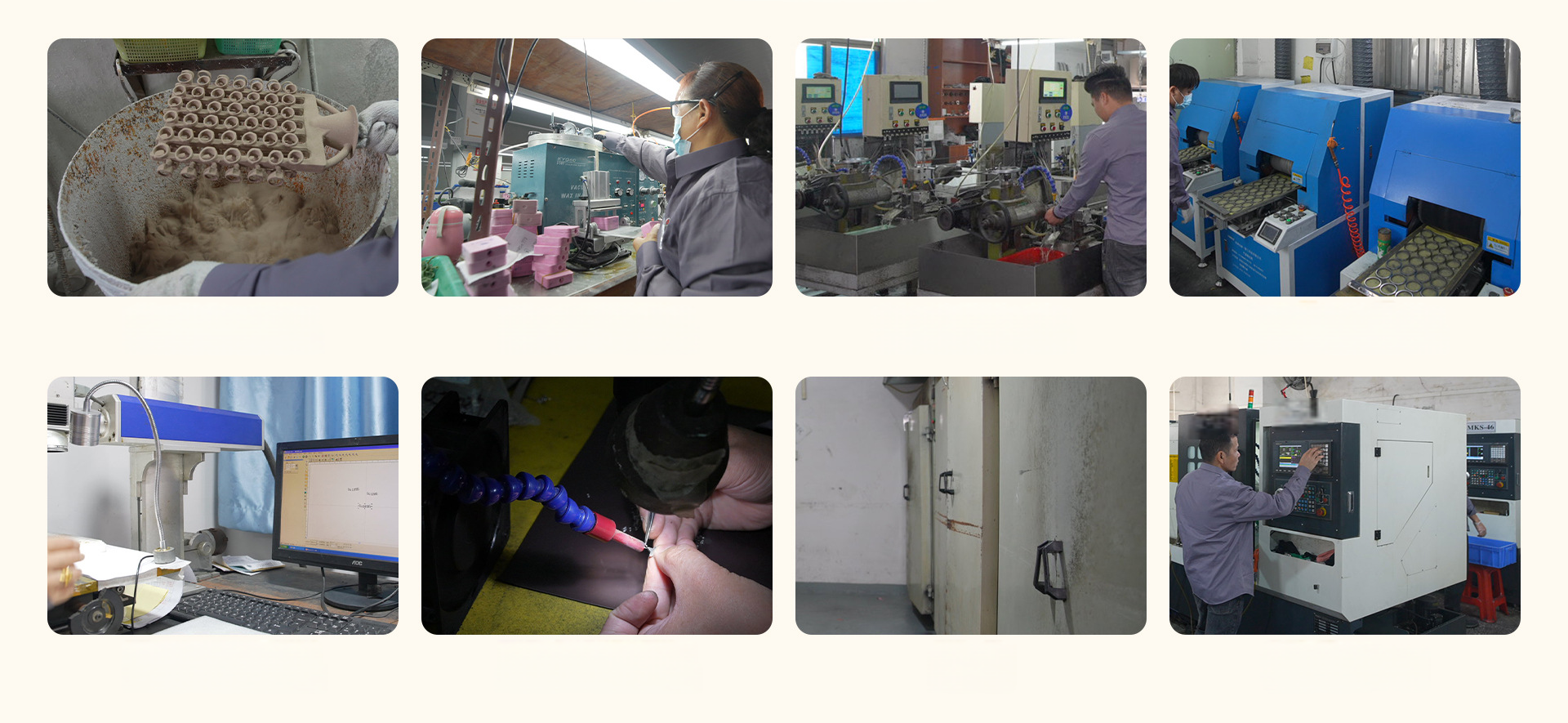
Step 1: Define Your Brand and Niche
Sort out what you sell and who buys it before you contact any factory. A new brand cannot compete on everything, so pick a niche: minimalist stainless steel daily wear, personalized name necklaces, hypoallergenic pieces for sensitive skin, or jewelry paired with an organizer as a gift set. Write down your target customer, price range, product categories and brand story. That positioning will drive every decision that follows.
Step 2: Research the Market and Competition
Do the homework before you commit to any order:
- Search Amazon, Etsy and Google for your niche keywords
- Note top sellers' price points, best-selling SKUs and the complaints in their reviews
- Identify the gaps: unmet needs, weak quality, missing sizes, poor packaging
- Estimate realistic sales velocity so you can size your first order
Global brands apply this same research discipline every launch. For the stainless steel segment specifically, our article on the global brand strategy blueprint for stainless steel jewelry shows how international players position themselves.
Step 3: Design Your Initial Product Line
Keep the launch line tight: 5-10 SKUs across 2-3 categories. A focused line lets you test demand without over-investing. For each product, decide the material (316L vs 304, plating finish), style, sizes and whether it pairs with an organizer or storage box. If storage products are part of the launch, our guide to choosing a jewelry storage box helps you match box formats to the line.
Step 4: Find and Verify Manufacturing Partners
Shortlist 3-5 factories through directories, trade shows and referrals, then verify each one with:
- Business license and export qualifications
- A live video call inside the workshop
- Product samples from their current line
- Customer references or verifiable reviews
- Straight answers on tooling, MOQ, certifications and lead times
Stainless steel suppliers in particular get asked a predictable set of questions. Our article on key concerns when working with Chinese stainless steel jewelry suppliers prepares you for that conversation before you sit down to negotiate.
Step 5: Order Samples and Validate
Order samples from 2-3 factories, never just one. Compare quality, finish, weight and craftsmanship side by side. Judge each piece on:
- Material grade and plating quality
- Workmanship: links, clasps, settings, engraving
- Packaging quality and the unboxing experience
- Communication and responsiveness
Samples cost money; a custom box tooling fee is normal, and it is the cheapest insurance you will ever buy. Our explanation of why sample fees cost what they do helps you budget honestly.
Step 6: Negotiate Pricing, MOQ and Terms
Once samples are approved, negotiate the commercial terms in writing:
- Unit prices by quantity tier
- MOQ per SKU and per combined order
- Tooling costs and who owns the molds
- Lead times for sampling, production and shipping
- Payment terms (typically 30% deposit / 70% against B/L)
- Quality standards and inspection arrangements
Put everything in a purchase contract, including penalties for delays and a defect tolerance clause.
Step 7: Protect Your Brand
Legal protection is not optional:
- Trademark your brand name and logo in your target markets
- Register your designs where possible (design patents for unique pieces)
- Sign an NDA and IP agreement with the factory
- Keep mold and tooling ownership clauses in the contract
- Use unique internal SKU codes to make copying harder
Step 8: Launch and Market
Launch where your customers actually shop: your own Shopify store, Amazon, Etsy, or a mix. For a new brand, focus on:
- Strong product photography (lifestyle, close-ups and size reference)
- SEO-optimized listings built around real keywords
- Content marketing (how-to and style guides) to build topical authority
- Influencer seeding on TikTok and Instagram
- A reviews program from day one
Step 9: Measure, Iterate, Scale
Track sell-through rate, AOV, return rate and customer feedback for every SKU. Cut the slow movers, reorder the winners and let that data shape your next collection. Scaling with the same factory deepens trust and usually improves your pricing over time.
Common Mistakes to Avoid
- Ordering too much inventory before demand is validated
- Choosing the cheapest factory over the most reliable one
- Skipping samples to save money
- Leaving IP protection unwritten
- Ignoring compliance (REACH, Prop 65, materials certification)
- Changing designs after production starts
Your First 90 Days: A Checklist
- Week 1-2: niche and line defined, competitor research done
- Week 3-4: 3-5 factories shortlisted and verified
- Week 5-8: samples ordered, compared, approved
- Week 8-10: contract signed, first order placed
- Week 10-12: listings and brand assets prepared for launch
Cash Flow Planning for Your First Order
New founders routinely underestimate how long the cash cycle runs. On top of the product cost, budget for sample fees, tooling, third-party inspection, freight, customs duties and packaging. Those extras typically add 25-40% over the factory invoice. Timing matters too. Deposit to your door usually runs 6-10 weeks on a first order, so plan for launch inventory to arrive before the marketing push, not after. Keep a cash reserve equal to one reorder cycle. If the first batch sells faster than expected, you want to reorder while demand is hot, not wait while you scrape funds together. Many founders also miss the currency risk. An order quoted in USD costs more when your local currency weakens, which raises your landed cost. A simple rule: calculate your worst-case landed cost, add a 20% buffer, and only order what you could sell through at that price.
How much money do I need to start a jewelry brand with a Chinese factory?
A lean launch is possible with a modest budget. That covers samples, a small first order at minimum MOQ, basic packaging and listing costs. With larger inventory and stronger branding, budget more.
Do I need a trademark before working with a factory?
Not to start production. But file your trademark in your target markets early, because it protects your brand and it is usually required to enroll in brand registry programs on marketplaces like Amazon.
How do I choose between jewelry and jewelry-box as my first product?
Start with whichever you can validate fastest. Jewelry boxes and organizers offer higher perceived value per dollar and lower trend risk. Jewelry moves faster and carries better margins. Many founders launch a jewelry line with a matching organizer as the bundle.
Can a factory help with packaging design?
Most OEM/ODM factories offer packaging design support, from structural box design to print files. Clarify whether design is included or billed separately, and always approve a physical packaging sample before production.
How long does it take from idea to first shipment?
Realistically 8-12 weeks: 2-3 weeks for factory selection and samples, 2-4 weeks for production, and 3-5 weeks for sea freight. Express shipping can cut the final leg to under a week if you pay for speed.
Key Takeaways
- Define your niche, research competitors and keep the launch line to 5-10 SKUs.
- Verify 3-5 factories, compare samples side by side, and negotiate terms in writing.
- Budget 25-40% above the factory invoice for samples, tooling, inspection, freight and duties.
- Protect your brand: trademark, design registration, NDA and mold ownership clauses.
- Allow 8-12 weeks to first shipment and keep a cash reserve for reorders.
Start Your Jewelry Brand Journey
FSC CRAFT has helped international buyers launch jewelry and storage brands for over ten years, offering OEM/ODM manufacturing, in-house tooling and packaging design support. Talk to our team about your concept and get a startup-friendly quote.
Related guides: OEM vs ODM vs Private Label: Which Jewelry Manufacturing Model Fits Your Brand?; Sourcing Freshwater Pearl Jewelry in China: Style, Value, and Endless Possibilities
← Selling Jewelry on Amazon and Etsy: Packaging and Organizer Bundles That Increase AOV
Jewelry Box & Organizer Product Showcase: FSC CRAFT Wholesale Collection →
Frequently Asked Questions
What should be settled before manufacturing?
The channel you are selling through, because it decides the packaging, the minimum and the launch budget. A brand built for a marketplace and one built for a boutique need different boxes and different first orders.
How much of a range should the first order cover?
Three to five designs rather than twenty. The setup cost lands once per design, so a shallow range that sells teaches you more than a deep one sitting in a warehouse.
What does the first year usually get wrong?
Packaging and sizing rather than the jewelry itself. A first range that cannot be resized, or that arrives in a box far larger than the piece, loses money twice: once on returns and once on freight.
Part of the OEM/ODM services page: The manufacturing side of a first drop.
What this means for your order
If you are still deciding, one thing decides this for you: what you can commit before the brand earns anything, since sampling and tooling are paid before the first sale. Everything else on a quote page is presentation.
Where this falls short a brand plan built on a design that is not confirmed, as every change after tooling starts restarts the clock.
What to send us Tell us your budget range and timeline and we will map which decisions have to come first.
Planning a pendant line? Our guide to the custom stainless steel pendant manufacturer covers pendant types, engraving, 316L, PVD and private-label MOQ.
Where these facts come from
- 316L vs 304 Stainless Steel Jewelry — grade data this page's alloy, nickel-release and plating claims are drawn from
FSC CRAFT keeps this list to pages that can actually be checked. Test reports and material specs ship per order on request rather than as published pass/fail numbers. If you quote this page, keep these links intact so the claim stays traceable.
Get a quote
Send the drawing, target material and volume. We reply within one business day with the MOQ, the sampling and bulk lead times for your piece, and the step each one belongs to.