Jewelry Box Materials: Velvet, Wood and PU
The material of a jewelry box decides how well it protects pieces, how easy it is to use, and what it costs. There is no single "best" — only the right material for the job. Here is the honest comparison, from a maker of jewelry storage boxes and organizers.
Velvet / flocking (soft-lined)
The default for quality boxes. A flocked or velvet interior cushions rings and chains and prevents scratches far better than hard plastic. It hides dust and looks premium. Downside: it can trap moisture if the box is not aired, so keep it in a dry place. Best for: almost everything, especially fine and daily pieces.
Acrylic / clear plastic
Acrylic shows the whole collection at a glance and looks modern on a dresser. But it shows fingerprints and dust just as clearly, and a hard surface can scratch metal if pieces slide. Best for: display and quick access, with soft pouches inside for delicate items. Avoid for travel (rigid, can crack).
Wood
Wooden boxes feel solid and age well; they hide scuffs and suit a classic look. They are heavier and usually pricier, and a bare wood interior can scratch, so look for a fabric-lined version. Best for: a permanent dresser or vanity piece.
Leather / PU leather
Leather and PU-leather travel cases and watch rolls feel premium and flex without cracking. Real leather costs more and needs occasional care; PU is cheaper and wipe-clean. Both protect well on the move. Best for: travel cases and watch rolls.
Which to choose
| Material | Scratch protection | Visibility | Best use |
|---|---|---|---|
| Velvet/flocking | Best | Low (closed) | Daily & fine storage |
| Acrylic | Low (hard surface) | Best | Display, dresser |
| Wood | Good (if lined) | Low | Permanent vanity piece |
| Leather/PU | Good | Low | Travel, watch roll |
Material and custom packaging
If you are spec'ing boxes for a brand or store, the material also sets your unboxing feel and unit cost. Our free jewelry box dieline templates let you lock dimensions before choosing a finish, and our organizer shopping guide covers what buyers notice first.
Sustainability, without the adjectives
Sustainability claims on packaging are rarely defined by the seller, so the useful questions are specific ones. Paper-over-board and PU cases can be specified with recycled substrates, and a box built to last becomes home storage instead of single-use packaging — ask for the substrate percentage in writing rather than a label. Many brands also ship the retail box inside an outer mailer so the printed box is not damaged in transit, which removes a second box from the shipment. See what a green claim can actually say before you put anything on a listing.
FAQ
Most protective? Soft-lined (velvet/flocking). Most visible? Acrylic. Best for travel? Leather/PU roll. Most durable looking? Wood with a fabric lining. Can a box be specified with recycled material? Ask for the recycled content percentage from the substrate supplier; a claim without a number is not checkable.
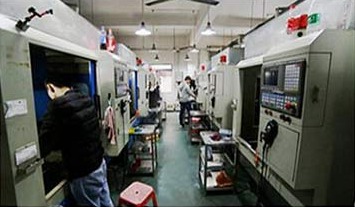
Quick mapping: velvet/MDF for protective gift and retail boxes, acrylic for display where the piece should show, wood for high-end, PU leather for travel. The production line behind these runs from structural design and dieline through material cutting, interior padding and insert forming, glue-up and assembly, logo application (foil stamp or deboss), then final QC and packing; every compartment is lined so pieces never touch bare board.
Quick mapping: velvet/MDF for protective gift and retail boxes, acrylic for display where the piece should show, wood for high-end, PU leather for travel. FSC CRAFT manufactures the velvet/MDF and PU lines at scale with custom inserts and logos.
View the range or read how boxes are made.
← How to Choose a Jewelry Storage Box (By Type and Use)
Watch Roll vs Jewelry Box: Which Should You Use? →
Part of the jewelry storage guide. Next: how to choose a jewelry storage box.
Also answered in the FSC CRAFT FAQ: 316L against 304, tarnish, skin discolouration and care, in one list.
What this means for your order
If you are still deciding, one thing decides this for you: what the material has to do - stop scratches, show the product, or hold shape - because the same material wins on one and loses on the others. Everything else on a quote page is presentation.
Where this falls short the wrong question if the material is chosen for how it photographs; several of these read very differently in a shot than in the hand.
What to send us Tell us which property matters most in your line and we will tell you which material earns it.
Related guides: Quilted Velvet Jewelry Box for Jewelry Collectors
Get a quote
Send the drawing, target material and volume. We reply within one business day with the MOQ, the sampling and bulk lead times for your piece, and the step each one belongs to.