Six Core Techniques in Stainless Steel Jewelry Production
Stainless steel jewelry, prized for its corrosion resistance, ductility, and modern aesthetic, has become a global fashion staple. Its craftsmanship blends traditional metalworking with cutting-edge technology, forming a diverse technical system. Below are six core techniques and their applications:
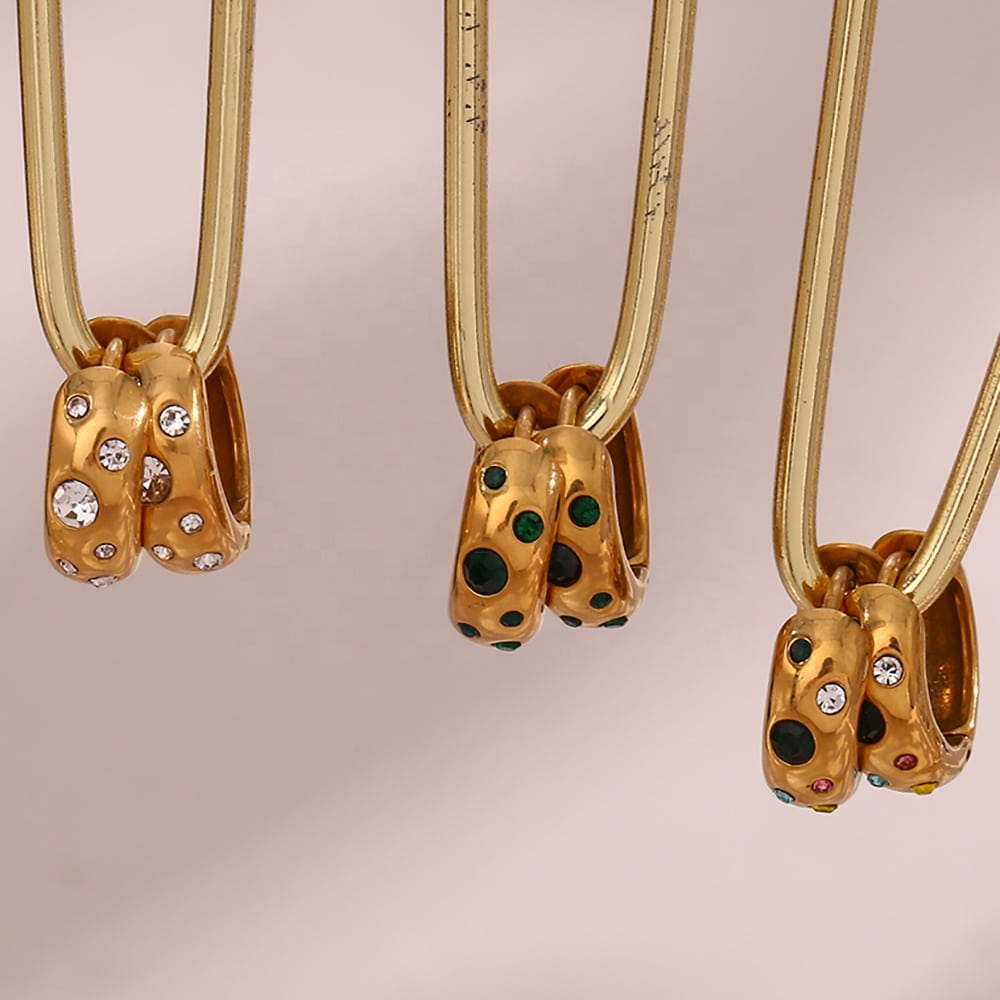
Stamping forming: the foundation of mass production
This method uses molds to press stainless steel sheets into shapes, ideal for high-volume production of minimalist designs (e.g., earrings, rings). Precision stamping achieves 0.1mm accuracy, combined with electrolytic polishing for a flawless surface, costing only one-fifth of precious metals. Globally, 70% of affordable [stainless steel](https://cnszfsc.com/know-how/5-stainless-steel-jewelry-styles-for-oem-wholesale/) jewelry relies on this technique.
Lost wax casting: the soul of complex designs
Silicone molds and wax models enable intricate structures like filigree and three-dimensional patterns. Molten stainless steel fills the mold, followed by grinding and polishing. This technique adds artistic value, often used in wedding necklaces and art brooches, with an 85% yield rate.
Surface treatment
Electroplating: Coating with chromium or nickel for luster and durability, increasingly replaced by eco-friendly cyanide-free alternatives.
PVD Vacuum Coating: Physically vapor-deposited titanium or nitride films create lasting colors without pollution, widely used in titanium steel jewelry.
Brushing/Sandblasting: Mechanical brushing creates fine textures, enhancing grip and industrial aesthetics.
Forging and engraving
Repetitive hammering shapes the steel billet, followed by chisel engraving for unique textures. This labor-intensive process, requiring over 8 hours per piece, commands premiums up to three times higher than mass-produced items, favored by designer brands.
Laser engraving
Fiber lasers etch text, patterns, or QR codes with 0.01mm precision, supporting gradients and complex layouts. Used for custom name rings and brand logos, it meets personalized consumer demands.
3D printing and CNC machining
Metal 3D Printing: Directly creates hollow structures and irregular designs, saving 30% material and shortening prototyping time.
CNC Machining: Five-axis machines carve micron-level details for micro-gears and intricate dials, achieving a 95% yield rate.
Technique integration and trends
Modern stainless steel jewelry emphasizes "multi-technique fusion": combining stamping with laser engraving for 3D reliefs, or casting with plating for vintage patinas. Eco-friendly methods (cyanide-free plating, recycled steel) and digital production (AI design + automated polishing) are reshaping industry boundaries. Future innovations will continue driving stainless steel jewelry from "functional accessories" to "wearable art."
The six techniques in most OEM steel lines are: wire drawing for texture, CNC cutting for consistent shapes, polishing for the finish, PVD for color, laser welding for seamless joins, and lost-wax or die casting for three-dimensional forms. FSC CRAFT runs all six near the Dongguan Chang'an cluster, so a single order can move from blank to plated, inspected piece without changing hands.
See how steel jewelry is made or compare 316L vs 304.
Related guides: Stainless steel jewelry from outsourcing to manufacturing
Frequently asked questions
How should I clean and care for Six Core Techniques in Stainless Steel Jewelry: From Forging to Smart Manufacturing? 1. Stamping Forming: The Foundation of Mass Production This method uses molds to press stainless steel sheets into shapes, ideal for high-volume production of minimalist designs (e.g., earrings, rings). Precision stamping achieves 0.1mm acc. What materials are used to make Six Core Techniques in Stainless Steel Jewelry: From Forging to Smart Manufacturing? Stainless steel jewelry, prized for its corrosion resistance, ductility, and modern aesthetic, has become a global fashion staple. Its craftsmanship blends traditional metalworking with cutting-edge technology, forming a diverse technical s. Can Six Core Techniques in Stainless Steel Jewelry: From Forging to Smart Manufacturing be customized with a logo or OEM? 4. Forging and Engraving: The Essence of Craftsmanship Repetitive hammering shapes the steel billet, followed by chisel engraving for unique textures. This labor-intensive process, requiring over 8 hours per piece, commands premiums up to t. How do I choose the right Six Core Techniques in Stainless Steel Jewelry: From Forging to Smart Manufacturing? Technique Integration and Trends Modern stainless steel jewelry emphasizes “multi-technique fusion”: combining stamping with laser engraving for 3D reliefs, or casting with plating for vintage patinas. Eco-friendly methods (cyan.
← Dongguan Chang'an's Evolution in Stainless Steel Jewelry Industry
Part of the OEM/ODM services page: The six operations a piece passes through.
What this means for your order
If you are still deciding, one thing decides this for you: which of these six processes your part tolerates, since the choice is constrained by tolerance and quantity before anyone talks about appearance. Everything else on a quote page is presentation.
Where this falls short premature if the geometry is still moving - choosing a process against a drawing that will change means paying for a tool you then redo.
What to send us the drawing, the tolerance you need and the volume, and we will name the process we would start with.
Get a quote
Send the drawing, target material and volume. We reply within one business day with the MOQ, the sampling and bulk lead times for your piece, and the step each one belongs to.