Premium Brands Reshaping Steel Jewelry
In the traditional market dominated by precious metal jewelry, a new trend of light luxury fashion led by tough metals is quietly emerging. Stainless steel jewelry, with its unique charm and comprehensive advantages, is moving from the periphery to the center stage, becoming the new favorite of consumers who pursue individuality and quality. This article will deeply analyze the current situation, driving forces, challenges and future opportunities of this niche industry.
In the European and American markets, stainless steel jewelry is highly popular due to its minimalist design, durability, and environmental-friendly concept, and has become an important category in the fast fashion and luxury lifestyle sectors. The growth momentum in the Asia-Pacific region (especially in China) is strong, and consumer acceptance is rapidly increasing.
Relying on a mature metal processing industry chain (especially in Guangdong and Zhejiang regions), China has become the main production and export base for stainless steel jewelry globally, winning international market share with its high cost-effectiveness and flexible supply capabilities.
From affordable fast fashion items to mid-to-high-end brands emphasizing design and craftsmanship, it meets the needs of different consumption levels.
It is not prone to deformation or scratching, and maintains its luster for a long time. It is convenient to wear daily. The medical-grade 316L stainless steel and other materials have good biocompatibility, solving the allergy problems for some people when wearing traditional alloy jewelry.
Stainless steel can be 100% recycled, conforming to the concept of circular economy. Under the "less but better" consumption concept, its long life cycle meets the sustainable fashion needs. It avoids the environmental and social problems that may arise from the mining of precious metals.
The unique metallic luster and texture perfectly interpret popular styles such as simplicity, industrial style, and futurism.
Electroplating (IP gold/rose gold/black, etc.), fine polishing, laser engraving and other technologies provide rich visual effects and a sense of high-endness.
It can easily adapt to casual, commuting and even light-formal occasions, meeting the frequent wearing needs in daily life.
At a price much lower than K gold and platinum, it offers comparable luster, texture and durability, with significant cost-performance advantages.
A large number of small and medium-sized factories offer OEM/ODM services, and the competition is fierce, putting pressure on profit margins. Leading enterprises are upgrading to automation and precision processing.
Precision casting, stamping, CNC machining, laser welding, high-requirement surface treatment (mirror finish/brushing/blasting), PVD/IP vacuum electroplating.
The stereotype that "stainless steel = cheap and low-end" still needs to be broken. It is necessary to enhance the perception of stainless steel as a "high-quality and fashionable material".
The entry threshold is relatively low. There are phenomena of design plagiarism and price wars. Brand differentiation is the key.
In terms of consumer psychological value, it is still difficult to break through the emotional barrier of "value preservation" of precious metals (especially gold).
The costs of high-quality stainless steel, environmental electroplating, and precise processing affect the profit margin.
Some low-end products have problems such as peeling of the electroplating layer and excessive nickel release, which damage the industry's reputation.
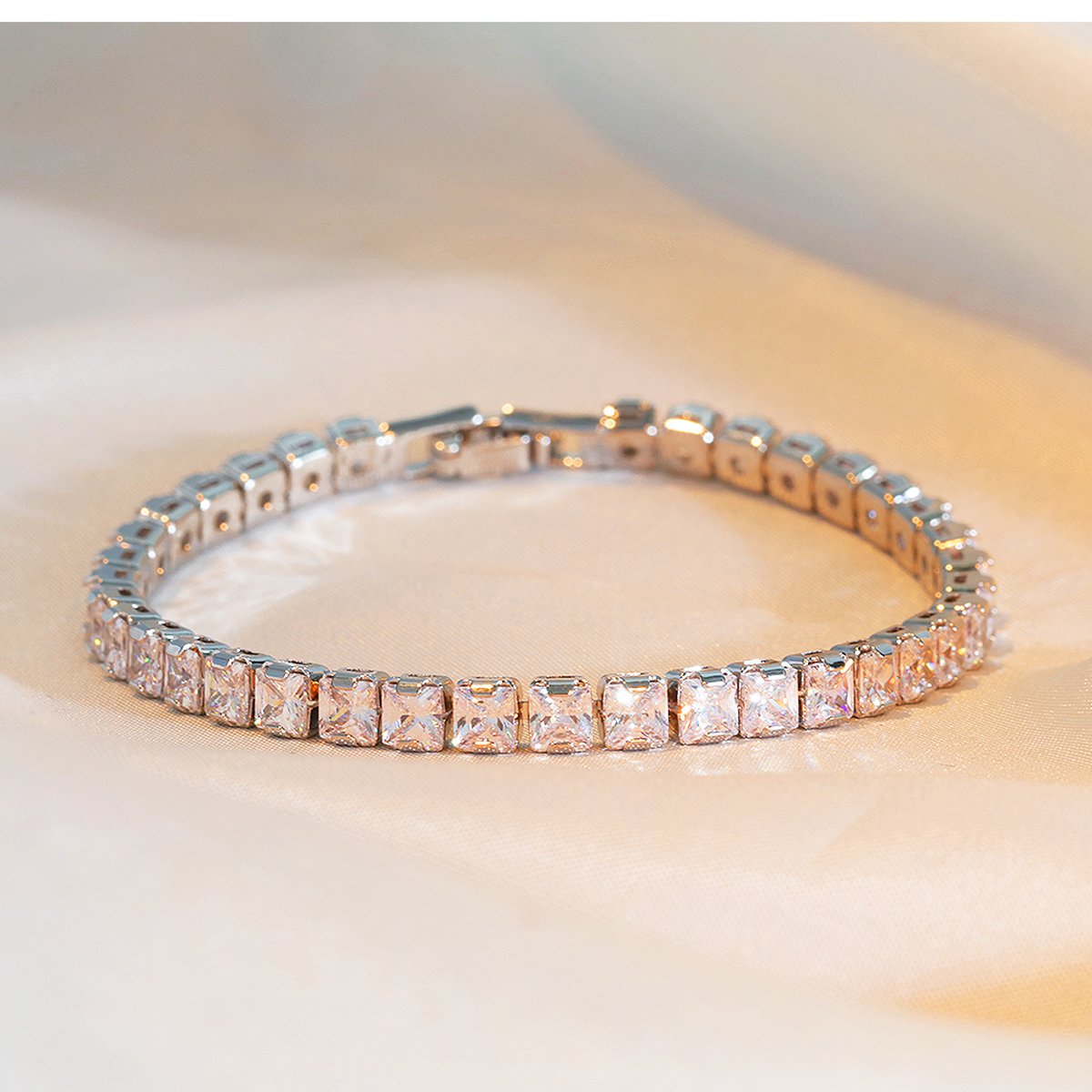
What the higher grades add
What the higher grades add
Higher performance / special-effect stainless steel (such as antibacterial stainless steel, colored stainless steel).
More environmentally friendly and durable surface treatment technologies (such as multi-layer PVD, nano-coating).
Combined application with innovative materials like titanium metal and ceramics.
Emphasize original design, IP collaboration, and cultural element integration to enhance product value and recognition.
Create a distinct brand story and convey values such as sustainability and individual expression.
Why brands are moving
Why brands are moving
The rise of stainless steel jewelry is by no means accidental. It is the result of the perfect combination of modern consumption values (emphasizing practicality, environmental protection, and individual expression) with material technology and design innovation. Despite facing challenges, its core advantages are highly in line with the current trends.
Frequently Asked Questions
Why are premium brands moving to stainless steel jewelry? Modern buyers weigh practicality, sustainability and self-expression as heavily as precious-metal prestige. 316L steel delivers comparable luster and durability at a fraction of K-gold or platinum cost, and it is fully recyclable, which fits the "less but better" approach many brands now pitch.
Is stainless steel jewelry safe for sensitive skin? Medical-grade 316L has good biocompatibility and a far lower nickel-release risk than copper-based alloys, which is why it is the standard skin-contact grade for steel jewelry. The only answer that carries weight is the EN 1811 / EN 12472 test report for the specific batch, so ask suppliers for it.
What surface finishes make steel look high-end? PVD / IP vacuum plating (gold, rose gold, black), mirror polishing, brushing, blasting and laser engraving. Multi-layer PVD and precise surface treatment are what separate a premium piece from a cheap plated one — the coating, not the base metal, is where the look lives.
What are the real risks when sourcing stainless steel jewelry? Low-end plating can peel and excessive nickel release damages a brand's reputation, and the lingering "steel equals cheap" stereotype means differentiation through design, IP and story matters more than price. Verify plating thickness and nickel-release reports per batch rather than trusting the grade name.
Related guides: The quietly emerging market worth hundreds of billions of dollars – who is driving the explosion of stainless steel jewelry?
The exquisite craftsmanship behind stainless steel jewelry →
Part of the wholesale page: How steel is positioned against precious metal.
What this means for your order
If you are still deciding, one thing decides this for you: whether a quietly-priced brand can charge a premium at all, which depends on whether anything about the product is visibly different rather than merely cheaper. Everything else on a quote page is presentation.
Where this falls short does not hold if the strategy is to charge more while changing nothing about the product.
What to send us Tell us what a customer can see that distinguishes your line and we will tell you whether that difference carries a price.
Ready to source this?
If you are planning a stainless steel jewelry or organizer program, contact our team with a drawing or reference sample for a quote, or browse the full catalog.
Browse our 316L stainless steel jewelry or request a quote →
Where these facts come from
- 316L vs 304 Stainless Steel Jewelry — grade data this page's alloy, nickel-release and plating claims are drawn from
FSC CRAFT keeps this list to pages that can actually be checked. Test reports and material specs ship per order on request rather than as published pass/fail numbers. If you quote this page, keep these links intact so the claim stays traceable.
Get a quote
Send the drawing, target material and volume. We reply within one business day with the MOQ, the sampling and bulk lead times for your piece, and the step each one belongs to.